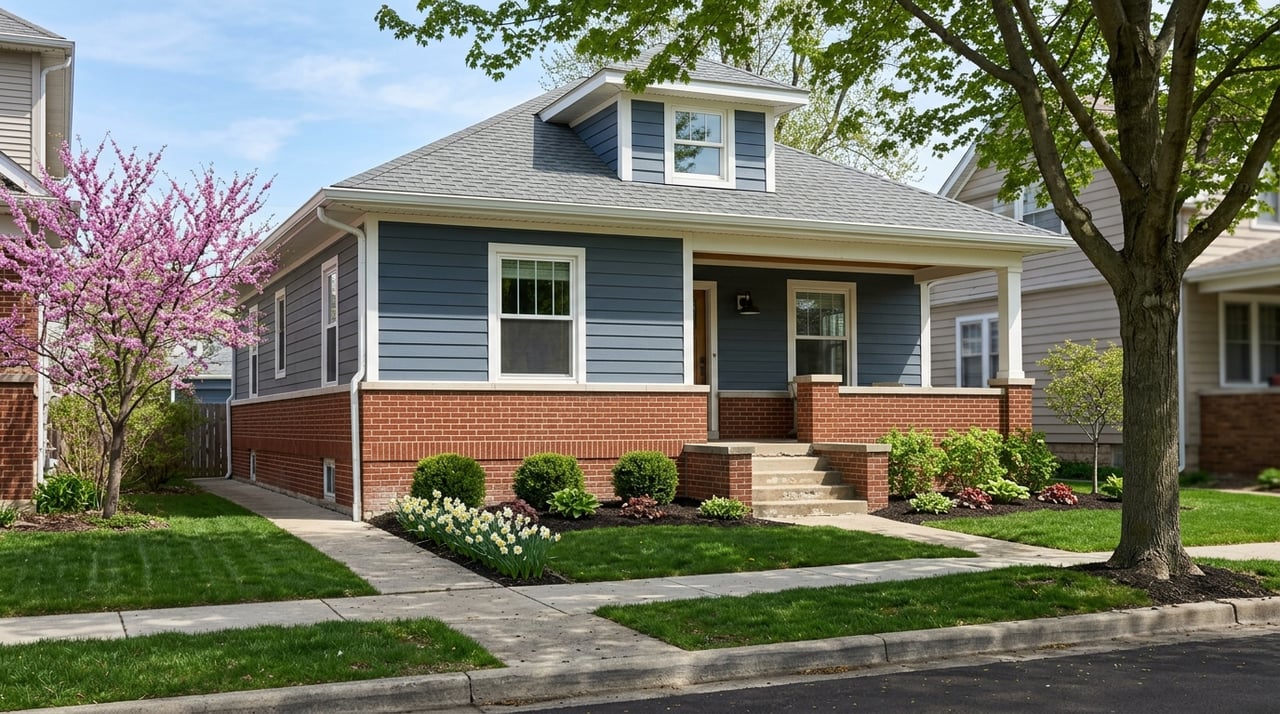
If you’re thinking about selling in Regent Square, timing can make a real difference. In a neighborhood with very limited inventory, a handful of listings can shift the feel of the market quickly, which means your launch date, pricing, and presentation all matter. The good news is that you do not have to guess. With the right prep and a neighborhood-specific plan, you can position your home to stand out when buyer attention is strongest. Let’s dive in.
Why timing matters in Regent Square
Regent Square is not a market where broad Pittsburgh averages tell the full story. According to Zillow’s Regent Square home value data, the neighborhood’s average home value is $404,875, and inventory is very tight, with just 6 homes for sale and 3 new listings as of March 31, 2026.
That kind of low supply can create opportunity, but it also means the market is sensitive to property mix. A few larger homes, renovated homes, or especially well-presented homes can skew the headline numbers. That is why sellers in Regent Square should rely on neighborhood comps and a tailored strategy rather than citywide trends alone.
Aim for early spring
If your goal is maximum impact, the strongest local case points to early spring, not late May. While Zillow’s national timing guidance says the last two weeks of May often bring the best results across the country, Pittsburgh appears to peak earlier.
According to Realtor.com’s 2026 best time to sell report, the best week to list in the Pittsburgh metro was April 5, 2026. That week brought a projected 10.8% price lift versus the start of the year, 21.4% more views per listing, 19.1% fewer price reductions, 9 fewer days on market, and 13.5% fewer active listings than average.
For Regent Square sellers, that early-April window is especially compelling because it lines up with the neighborhood’s small-inventory dynamics. When buyer attention rises and competition remains limited, a well-prepared listing has a better chance to capture serious interest quickly.
Use late winter to prepare
The best launch window is only useful if your home is ready for it. Zillow notes that many homeowners begin thinking about a move three to four months before they list, and that planning horizon makes sense here.
If you want to hit the early-spring market, late winter is often your working season. That gives you time to handle paint, decluttering, staging, small repairs, landscaping plans, and photography scheduling without rushing the process.
In a neighborhood where values cluster around the low-to-mid $400,000s, even modest improvements in presentation can matter. The goal is not over-renovating. It is making sure your home feels polished, cohesive, and market-ready when buyers first see it.
Match your timing to local buyer rhythms
One reason early spring works well in Pittsburgh is that it aligns with real-life calendars. The Pittsburgh Public Schools calendar shows spring break running from March 30 through April 2, 2026, with the school year ending on June 12, 2026.
That timing matters because many buyers begin making decisions right after spring break if they hope to move before summer gets busy. Others want to get under contract early enough to close before the next school year begins. Even if your likely buyer is not moving on a school calendar, this period tends to bring a more active spring audience overall.
For Regent Square specifically, this creates a useful overlap: buyers are re-engaging, the neighborhood begins showing well, and inventory is still relatively lean.
Showcase Regent Square at its best
Timing is not just about market data. It is also about how the neighborhood feels when buyers show up.
Regent Square’s connection to Frick Park is a major part of its appeal. The park offers trails, tennis, lawn bowling, and family programming, and it draws heavy use across the city. In spring and early summer, that outdoor setting becomes easier for buyers to picture as part of daily life.
That does not mean you should wait too long for full leaf-out if the market window is already opening. In most cases, it makes more sense to enter the market in early spring with strong photos, thoughtful exterior prep, and a clean first weekend than to delay for a few extra weeks of greenery and miss the local demand peak.
Price carefully from day one
In a low-inventory neighborhood, it is easy to assume buyers will simply compete no matter what. But pricing still matters, especially in a market where negotiation remains common.
According to Zillow’s Pittsburgh market data, the city’s median sale-to-list ratio is 0.977, and 62.4% of sales close below list price. That is a good reminder that even when inventory is limited, buyers are still paying attention to value.
For Regent Square sellers, the takeaway is simple: the best first price is usually the one that reflects local comps, current condition, and presentation quality from the start. Overpricing in hopes of “testing the market” can lead to reductions later, and in a small neighborhood, stale listings are hard to hide.
Why presentation has outsized impact here
Regent Square is a place where small differences can have a big effect. The Redfin neighborhood market snapshot showed a softer median sale price in March 2026, but also signals that property mix can affect the numbers. In practical terms, renovated, smaller, or better-presented homes can influence headline trends more than they would in a larger market.
That is why design-minded preparation matters. Clean paint, edited rooms, thoughtful staging, strong lighting, and professional photography can help buyers understand your home’s value quickly. In a neighborhood with limited data points, your listing does not need to look perfect. It needs to look clear, cared for, and compelling.
Consider a phased launch
If your home needs work before it is ready for the public market, a phased rollout can help you protect timing without forcing a rushed debut. Compass’s 3-Phased Marketing Strategy moves a listing from Private Exclusive to Coming Soon and then to the MLS and public sites.
Compass describes this structure as a way to test pricing, build interest, and avoid the drawbacks of premature exposure, extended days on market, and early price-drop history. That can be especially useful if you are trying to line up prep work while still aiming for an early-spring public launch.
Compass also reports that pre-marketed listings were associated with a 2.9% higher closing price than homes that went straight to the MLS, though that is a company-reported finding and results can vary by season and local conditions. The bigger point is strategic flexibility: you do not always have to choose between listing immediately and waiting in silence.
Use prep support if timing is tight
Sometimes the right listing window arrives before your home feels ready. In that case, support with pre-listing improvements can make the difference between missing the window and hitting it well.
Compass Concierge can front the cost of select services with zero due until closing, including staging, flooring, painting, landscaping, decluttering, cosmetic renovations, and moving or storage. For sellers in Regent Square, that can create a practical bridge between the home you have today and the presentation buyers expect in a competitive spring market.
This is especially helpful if you are balancing a move, work travel, or a relocation timeline. Instead of delaying until everything is perfect, you can create a structured path to market readiness.
So, when should you list?
For most Regent Square sellers, the best answer is this: plan in winter, prepare in late winter, and aim to go live in early spring.
That recommendation reflects three overlapping factors:
- Pittsburgh’s strongest local listing window appears to arrive in early April
- Buyer activity often rises after spring break and before summer logistics take over
- Regent Square and Frick Park tend to show especially well in spring
If your home is already in strong shape, you may want to move quickly to catch that early window. If it needs painting, staging, landscaping, or light cosmetic work, it often makes sense to begin planning several months ahead and build a launch strategy around readiness rather than rushing to market.
Fall can still work for motivated buyers, and not every seller has the same timeline. But if your question is when to list in Regent Square for maximum impact, early spring is the clearest answer based on the available local and national data.
If you are weighing timing, pricing, and prep, working with a team that understands Regent Square’s micro-market can help you make confident decisions. The Allison Pochapin Team combines neighborhood-specific strategy, design-forward presentation, and Compass marketing tools to help you launch with clarity and purpose.
FAQs
When is the best month to list a home in Regent Square?
- For most sellers, April is the strongest target because Pittsburgh’s 2026 best-week-to-list data points to early April as the peak local window.
Should Regent Square sellers wait until May for better spring curb appeal?
- Not usually, because local Pittsburgh data suggests the market peak comes earlier than the national late-May trend, so it may be better to launch in early spring with solid prep than wait for fuller greenery.
How does the Pittsburgh school calendar affect a Regent Square home sale?
- The period right after spring break and before summer often lines up with active buyer planning, especially for households trying to move before the next school year or before summer schedules get crowded.
What pricing strategy makes sense for a Regent Square listing?
- A data-driven launch price based on current neighborhood comps and your home’s condition is usually the best approach, since citywide data shows meaningful negotiation and overpricing can lead to reductions.
Should a Regent Square home start as Private Exclusive or go straight to the MLS?
- If your home needs more prep time or you want to build interest carefully, a phased launch through Private Exclusive and Coming Soon can be worth considering before going fully public.
How much prep time should a Regent Square seller allow before listing?
- A good rule of thumb is to start planning three to four months ahead, especially if your home needs painting, staging, decluttering, landscaping, or other pre-listing improvements.