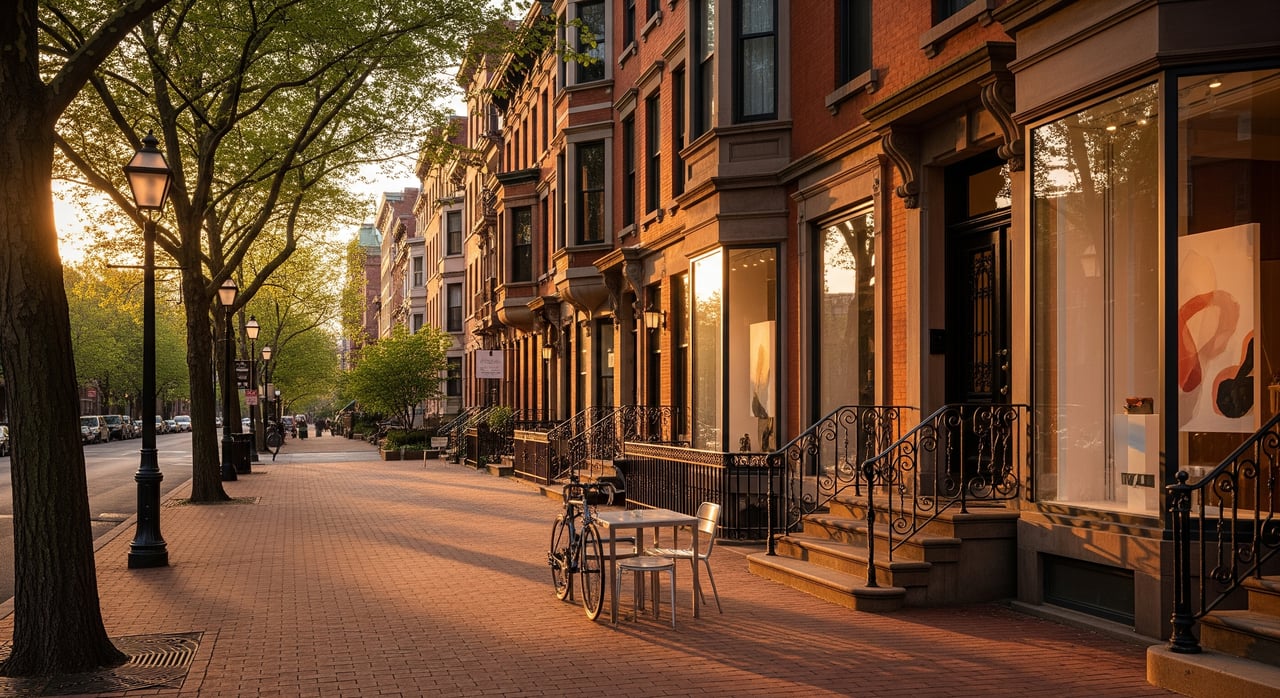
Is walkability the reason you’re drawn to Shadyside, or just a nice-to-have on your list? If you’re exploring Pittsburgh’s East End, you’ve likely heard that Shadyside is “very walkable,” but what that means day to day can vary block by block. You want clear, practical guidance so you can choose the right street and the right home for your lifestyle. In this guide, you’ll learn what walkability really looks like in Shadyside, how to test it on foot, and what tradeoffs to expect so you can buy with confidence. Let’s dive in.
Walkability in Shadyside, defined
Walkability is more than living near shops. It is about how easy, safe, and comfortable it feels to walk for real daily needs. In Shadyside, the experience centers on three commercial corridors where you can run errands, meet friends, and catch transit without getting in a car. The quality of sidewalks, street crossings, lighting, and the neighborhood’s classic grid all shape how those short trips feel.
Pittsburgh’s terrain also matters. A few blocks can include steep slopes or even stairs, which changes how you plan routes, carry groceries, or push a stroller. Add in seasonal weather, and you have a realistic picture of how often you will choose to walk instead of drive.
Where you can walk
Walnut Street essentials
Walnut Street is Shadyside’s primary retail and dining spine. Storefronts sit close together, which makes quick errands simple. You’ll find everyday services, coffee, and dining in a compact, lively setting. If frequent foot traffic and convenience are top priorities, living near Walnut can be a strong match.
Ellsworth Avenue energy
Ellsworth Avenue offers a smaller, locally oriented mix of restaurants, bars, and shops. Activity can pick up more in the evenings. If you want a neighborhood feel with amenities close by, Ellsworth delivers shorter, useful walks for dining and services.
South Highland connections
South Highland Avenue links Walnut and Ellsworth and blends residential entries with retail. It acts as a connector between the other two corridors and adds its own set of useful stops. Many buyers like being a few doors off South Highland for quick access with a quieter residential feel.
Getting around without a car
Bus access and transfers
Multiple Pittsburgh Regional Transit bus routes serve Walnut, Ellsworth, South Highland, and nearby streets. That means you can reach Downtown, Oakland, and other East End neighborhoods with a short walk to a stop. Service levels vary by route and time of day, so it pays to check frequency if you plan to commute by bus.
First and last mile details
Walkable transit works best when your home and your destination are both close to stops. In Shadyside, the compact grid gives you route options to reach stations. If you rely on transit, prioritize a property within a 5 to 10 minute walk of a frequent route and test the path at the times you travel most.
Biking basics
Local streets support short bike trips for errands or connecting to nearby neighborhoods. If biking is part of your routine, look at neighborhood route maps and note where infrastructure or suggested routes align with the corridors you use most.
Terrain, sidewalks, and comfort
Slopes and stairs
Shadyside is relatively flat along the main corridors, but many side streets are hilly. A home that looks close on a map may include a steep climb. Walk your likely paths to gauge slope and decide if the grade fits your household’s needs.
Sidewalk quality and winter
Sidewalk width, surface conditions, and curb ramps vary from block to block. In winter, snow and ice can change your walking habits. Look for continuous sidewalks, ADA-friendly crossings, and well-lit segments on your primary routes.
Lighting and nighttime feel
The way a street feels at night is part of walkability. Lighting, business hours, and the presence of other pedestrians help you decide whether you will walk after dark. Visit during evening hours to see what feels comfortable to you.
Housing mix, parking, and deliveries
What to expect
You’ll find everything from Victorian rowhouses and single-family homes to apartment and condo buildings. Many older homes do not include off-street parking. Permit parking is common on residential streets, and curb space can be tight during peak times.
If you own a car
Confirm permit rules, guest parking options, and any garage or driveway access before you offer. Expect delivery and rideshare drop-offs to be easiest along the corridors and more constrained on narrow residential streets. If you need reliable parking, consider a block just off the main streets where demand thins out.
Noise, hours, and tradeoffs
Living close to Walnut, Ellsworth, or South Highland maximizes convenience but can bring evening noise and more foot traffic. A few extra minutes of walking often buys you quieter evenings. Decide which tradeoff fits your lifestyle, then focus your search on blocks that match your tolerance for activity.
How walkability shapes daily life
- Fewer car trips for errands like coffee, groceries, dining, pharmacy, and banking.
- Shorter commutes to major education and healthcare centers in Oakland and easy access to Downtown by bus.
- An active lifestyle, with parks, shops, and fitness options close enough to encourage everyday walking and biking.
Smart home search steps
Define your must-walk map
List the destinations you want within a 5 to 15 minute walk. For many buyers, that includes a grocery option, a pharmacy, a coffee shop, and a transit stop. Map those out, then test each route on foot.
Walk-test at key times
Visit in the morning, midday, and evening, plus a weekend. You will learn about noise, lighting, crowds, and travel times when you actually need them. Make notes for each property so you can compare blocks with confidence.
Check slope and accessibility
Walk the exact path you would take with groceries or a stroller. Look for stairs, steep grades, uneven surfaces, and narrow sidewalks. Small differences in topography can change your daily routine.
Verify transit frequency
Standing at the stop nearest a property, review schedules and frequency for weekday and weekend service. If you depend on transit, proximity to a frequent route can be a deciding factor.
Do a parking reality check
Return to the street in the evening and late at night to see how easy it is to find a space. Confirm permit rules and visitor options. Ask neighbors how deliveries work during busy hours.
Resale and value
Across many markets, research has found positive correlations between walkability measures and property values and time on market. In Shadyside, proximity to active corridors and frequent transit tends to widen the buyer pool, especially for people who prioritize convenience. Homes that balance quick access with a quieter setting often appeal to the largest audience.
Unit type matters too. Condos and apartments near Walnut or Ellsworth often attract buyers focused on walkable living. Single-family buyers may weigh parking and private outdoor space more heavily, which can shift the ideal block a few minutes off the main corridors.
Buyer field checklist
Use this quick checklist when touring:
- Can you walk to at least one grocery option, pharmacy, bank, and coffee shop in 5 to 15 minutes? Time the routes.
- Is there a frequent bus stop within a 5 to 10 minute walk? Note the route numbers and weekday and weekend frequency.
- Are sidewalks continuous and in good shape along your primary paths? Check crossings for curb ramps.
- How steep are your likely routes? Try them while carrying a bag or pushing a stroller.
- What is on-street parking like at night and on weekends? Confirm permit requirements.
- Visit during evening and weekend hours to gauge noise, lighting, and foot traffic.
- In winter, observe conditions or ask neighbors about snow and ice clearing responsibilities.
What to verify with data
Before you make an offer, confirm details with primary sources. Helpful resources include transit service maps and schedules, walkability and bike indices, local bike route maps, city and county GIS for zoning and sidewalk responsibilities, police and transportation safety dashboards for recent incident data, and American Community Survey commuting data for context. Local business and civic groups can also help you understand corridor hours and planned events that affect street life.
Final thoughts and next steps
Walkability in Shadyside is real, and it is also nuanced. The three corridors make daily life easier without a car, but the best experience depends on the block you choose. If you define your must-walk destinations, test the routes at the times you live your life, and confirm parking and transit details up front, you will buy a home that fits the way you move through the neighborhood.
If you want a calm, data-informed partner who knows Shadyside and Pittsburgh’s East End, we are here to help you compare streets, plan walk tests, and weigh tradeoffs with clarity. Start a conversation with The Allison Pochapin Team to schedule a consultation.
FAQs
What does “walkable” mean in Shadyside specifically?
- It means having daily needs along Walnut Street, Ellsworth Avenue, and South Highland Avenue, plus sidewalks, crossings, lighting, and transit close enough to make walking practical and comfortable.
Which Shadyside corridor is best for everyday errands?
- Walnut Street offers the densest cluster of services and dining for quick errands, while Ellsworth and South Highland add options within short walking distance.
How hilly are typical walking routes in Shadyside?
- The main corridors are relatively flat, but many side streets include noticeable slopes or stairs, so you should test your exact routes before deciding on a property.
Is bus service reliable for commuting from Shadyside to Oakland or Downtown?
- Multiple routes connect to both, but frequency varies by line and time of day, so verify schedules for the nearest stop to your target home during your commute hours.
Will I need a parking permit for a Shadyside home?
- Many older homes lack off-street parking, and residential streets often use permit systems, so confirm requirements and guest options for the specific block you are considering.
How noisy is it to live near Walnut or Ellsworth?
- Corridor-adjacent homes enjoy easy access but can experience more evening noise and foot traffic; a few blocks off the corridors usually feels quieter.
Does walkability improve resale value in Shadyside?
- Proximity to active retail and frequent transit generally broadens buyer appeal, though homes that balance quick access with a quieter setting often draw the widest interest.