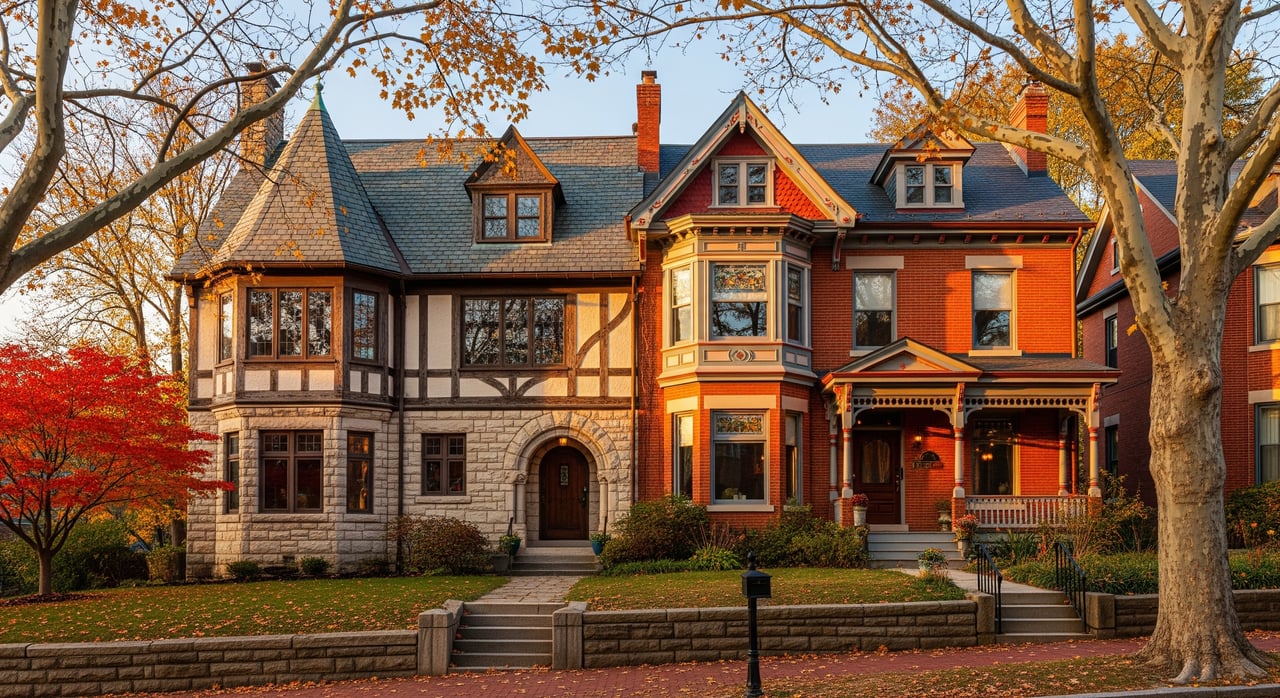
Torn between the cozy charm of a Tudor and the dramatic elegance of a Victorian in Squirrel Hill? You’re not alone. Both styles show up across the neighborhood’s tree-lined streets, and each delivers a different look, layout, and maintenance profile. In this guide, you’ll learn how to spot the differences, what upkeep really looks like, and how condition tiers impact value so you can buy or sell with confidence. Let’s dive in.
Squirrel Hill’s style story
Squirrel Hill grew in waves as Pittsburgh’s streetcar lines and early suburban development expanded east. Late 19th-century Victorian-era homes arrived first, followed by a surge of Tudor Revival construction from roughly 1910 through the 1930s and 1940s. Today, you’ll find larger multi-story Victorians alongside 1.5 to 2-story Tudors, from cottage-like forms to substantial revival homes.
This mix is part of what gives Squirrel Hill its character. Some blocks may also fall under historic preservation oversight, so it’s smart to check local rules before planning exterior changes.
Tudor vs. Victorian at a glance
- Victorian (late 1800s): Vertical feel, irregular massing, complex rooflines, ornate trim, bay windows or turrets, and grand porches.
- Tudor Revival (1910s–1940s): Steep cross-gables, arched doors, half-timbering over light stucco, decorative chimneys, and leaded or diamond-pane windows.
Exteriors and rooflines
Victorian essentials
Victorian exteriors tend to reach upward with an asymmetrical façade. You’ll often see tall bays, towers or turrets on Queen Anne variants, and deep porches with turned posts. Roofs can be steep or moderately pitched with intersecting gables, patterned shingles, and elaborate cornices. Materials range from wood clapboard and patterned shingles to brick or stone foundations.
Tudor essentials
Tudors read as cozier and more compact. Expect steeply pitched roofs, cross gables, and prominent chimneys that often add sculptural interest. The signature look pairs brick or stone on the first floor with stucco and dark half-timbering on upper gables. Many Tudors feature arched entries and grouped casement windows with multi-pane or diamond-patterned glass.
Windows, doors, and interiors
Victorian inside and out
Victorian windows are typically tall, single- or double-hung sash. Stained glass or transoms show up as accents, and expansive porches add outdoor living space. Inside, you’ll find higher ceilings, multiple parlors, separate dining rooms, and ornate trim like picture rails, wainscoting, and carved newel posts. Floor plans can feel formal and compartmentalized, which many buyers love for architectural drama and defined rooms.
Tudor inside and out
Tudor windows are more often casements with smaller panes. Doors are usually heavy wood, sometimes arched or recessed with decorative hardware. Interiors lean warm and intimate with fireplaces centered in the living room, occasional exposed beams, and built-ins like niches or window seats. Many layouts are efficient rather than sprawling, especially in 1.5-story cottages.
Maintenance reality check
Older homes reward care and attention. Here’s what to expect:
Roofs and chimneys
- Victorian: Original slate or patterned shingles can last a long time but require specialized repair. Complex valleys and flashing points raise leak risk.
- Tudor: Steep pitches, cross gables, dormers, and tall decorative chimneys need routine inspection and careful flashing.
Masonry, wood, and stucco
- Victorian: Watch for mortar deterioration on brick, wood rot at trim, and failing paint. Repointing must use compatible mortar to avoid damage to historic brick.
- Tudor: Stucco can crack, especially where half-timber meets stucco infill. Timber elements may need skilled wood restoration to address rot or patching.
Windows and energy use
Original single-pane windows are common. You can improve comfort with repairs, weatherstripping, and storm windows while preserving character. Full replacements are possible but should be evaluated against historic value and long-term goals.
Systems and insulation
Expect to assess HVAC, electrical, and plumbing. Many older homes need more insulation, careful duct routing, and targeted upgrades to boost efficiency without compromising original details.
Overall maintenance intensity
- Victorians: Medium to high. Larger footprints, complex roofs, and more exterior wood trim mean regular upkeep.
- Tudors: Medium. Stucco and half-timber details require specialty care, and steep roofs and chimneys deserve attention. Smaller cottages can reduce overall scope, though specialty repairs can still be costly.
Specialists you may need
- Historic masonry professional for brick and stone repointing
- Slate or steep-roof specialist
- Wood restoration carpenter for trim, porches, and half-timbering
- Window restorer or conservator
- Chimney inspector and flue relining specialist
- Insulation and HVAC retrofit pro with older-home experience
Health, safety, and regulations
Homes built before 1978 may contain lead-based paint. Asbestos can show up in older insulation, floor tiles, or roofing underlayers. Use certified pros for testing and any needed abatement or lead-safe practices. Some blocks or properties may be locally designated or individually protected, which can trigger design review for exterior work. National Register status alone usually does not limit private owners unless local rules or funding are involved. Always confirm property-specific requirements with the City of Pittsburgh before planning changes.
Inspection checklist for buyers
Use this as a quick reference during due diligence:
- Roof: slate or shingle condition, flashing at valleys and chimneys, leak evidence
- Chimneys: leaning, mortar loss, flue condition
- Exterior envelope: stucco cracks, half-timber condition, siding or trim rot, porch integrity
- Masonry: mortar softness, spalling, salt deposits
- Windows and doors: sash or casement function, rot, storm windows
- Foundations and drainage: settling, moisture, grading, gutter performance
- Systems: HVAC age and capacity, electrical panel and wiring type, plumbing materials
- Hazardous materials: lead paint testing, potential asbestos
- Past repairs: hard Portland cement repointing on historic brick, vinyl cladding over original trim, non-breathable sealants
Price and condition tiers
Entry-level condition
What you’ll see: smaller Tudor cottages or modest Victorians, partial system updates, and visible deferred maintenance like peeling paint or cracked stucco.
Plan for: roof and flashing repairs, moisture control in the basement, electrical updates, window repairs with storms, and addressing lead or asbestos if present. Tackle structural and moisture issues first, then layer in cosmetic improvements.
Mid-market condition
What you’ll see: thoughtful updates to kitchens or baths, some system upgrades, and original trim intact. Exterior work may mix original and replacement materials.
Plan for: ongoing masonry maintenance, chimney service, added insulation and weatherstripping, and periodic exterior paint cycles. Expect fewer surprises, but budget for specialized trades.
Upper-end or restored condition
What you’ll see: high-quality restorations, sympathetic system upgrades, and period-appropriate replacements like repaired slate or true divided-lite windows. Larger Victorians or substantial Tudors often live here.
Plan for: lower near-term surprises but steady preservation routines. Slate roofs, exterior woodwork, and paint cycles remain long-term considerations, even when the home is fully tuned.
Design trade-offs to weigh
- Visual impact: Victorians offer vertical drama and ornate detail. Tudors bring a storybook look with bold gables and sculptural chimneys.
- Upkeep: Victorians have more exterior wood and complex roof geometry to maintain. Tudors require specialty care for stucco and half-timbering.
- Energy and comfort: Both styles benefit from insulation upgrades, air sealing, storm windows, and efficient HVAC.
- Floor plan: Victorians often provide more rooms and higher ceilings. Tudors, especially 1.5-story cottages, can feel cozier and more efficient but may be harder to reconfigure.
Local rules, incentives, and resources
If you are considering exterior changes, confirm whether your property is in a local historic district or individually designated in Pittsburgh. Local designation can mean design review for exterior work. Federal rehabilitation tax credits are generally for income-producing properties. For owner-occupants, check state and local programs through the Pennsylvania Historical and Museum Commission and local organizations for potential incentives or guidance. Neighborhood groups and preservation organizations can also provide contractor referrals and best practices for sympathetic updates.
Which one fits your lifestyle
Choose a Victorian if you love tall rooms, layered trim, and architectural flourish. Expect more exterior detailing to maintain and plan for complex roof work over time. Choose a Tudor if you prefer cozy rooms, steep gables, and that distinctive half-timber and stucco look. Plan for targeted stucco and timber care, plus regular chimney and roof checkups.
If you are selling, high-quality presentation matters. Thoughtful pre-listing repairs, polished photography, and curated staging help both styles shine and protect your price. If you are buying, a clear inspection plan and realistic maintenance budget will keep the experience calm and predictable.
Ready to compare homes in Squirrel Hill and find the right fit? Connect with the The Allison Pochapin Team for design-forward guidance, vendor referrals, and a process built for busy professionals.
FAQs
What defines a Tudor home in Squirrel Hill?
- Look for steep cross-gables, arched doors, half-timbering over light stucco, decorative chimneys, and multi-pane or diamond-pane casement windows.
How are Victorian homes different from Tudors?
- Victorians are taller with complex rooflines, ornate trim, and formal rooms, while Tudors feel cozier with steep roofs, prominent chimneys, and stucco with half-timbering.
Are older windows a deal-breaker in these homes?
- Not necessarily; many original windows can be repaired, weatherstripped, and paired with storm windows to improve comfort while preserving character.
Do historic rules limit exterior changes in Squirrel Hill?
- It depends on the property’s designation; local historic districts or individual designations can require design review for exterior alterations, so confirm before planning work.
What extra inspections should I add when buying?
- In addition to a full home inspection, add specialists for roof or slate, chimney, masonry or stucco, and consider lead paint and asbestos screening in older homes.