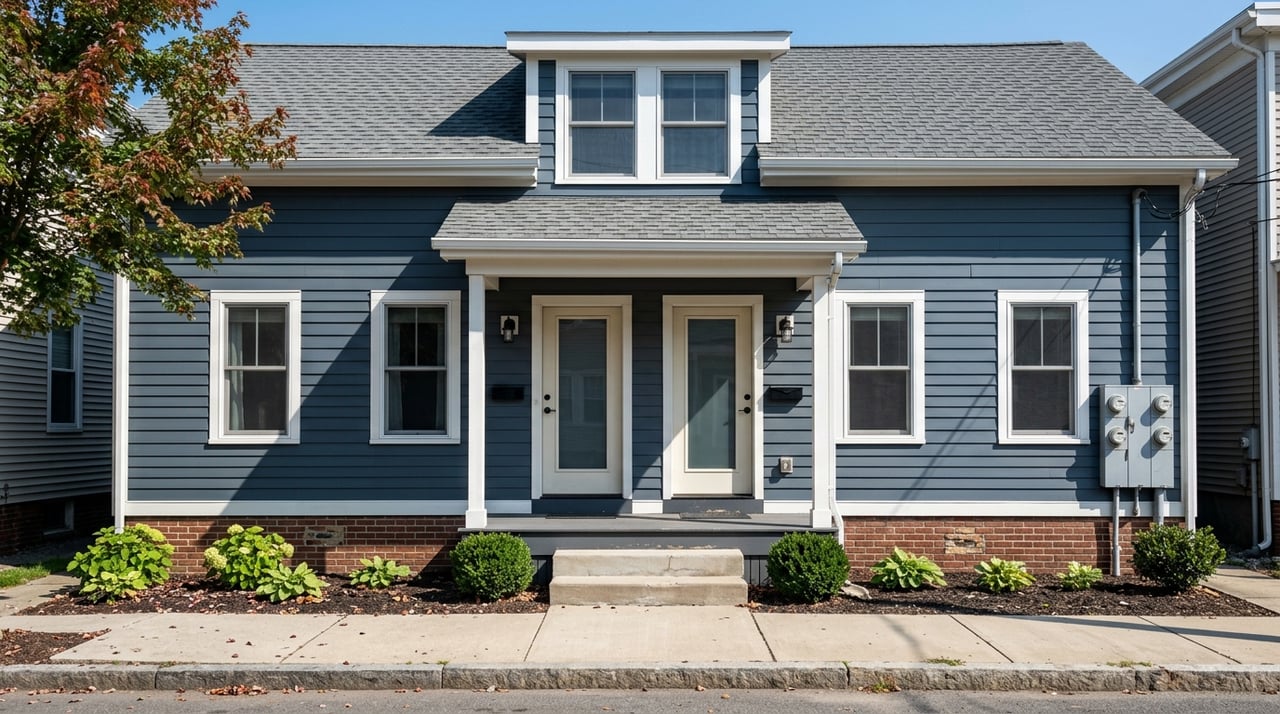
If you are looking for a Pittsburgh neighborhood where small multi-family investing can still make strategic sense, Lawrenceville deserves a close look. It offers central-city access, a renter base that skews working-age and educated, and a housing mix that fits duplex, triplex, fourplex, and conversion-style investing more than large apartment plays. The details matter here, though, because rent levels, vacancy, property condition, and historic review can vary block by block. Let’s dive in.
Why Lawrenceville draws investor attention
Lawrenceville stands out because of location first. The City of Pittsburgh describes it as one of the city’s largest neighborhoods, with access to Downtown, Shadyside, and Oakland. For you as an investor, that kind of connectivity can help support rental demand from professionals, relocation clients, and households that want convenience without a long commute.
The renter profile also helps explain the neighborhood’s appeal. In Central Lawrenceville, 53.2% of residents are ages 25 to 44, and 67.1% of residents age 25 and over have a bachelor’s degree or higher. Lower and Upper Lawrenceville also show strong working-age and educated populations, which supports demand for well-maintained, thoughtfully updated rentals.
Lower Lawrenceville is especially notable if you are thinking about units that appeal to younger renters. There, 59.5% of residents are ages 25 to 44, 16.1% are enrolled in undergraduate or graduate programs, and 28.7% moved to a different house in the prior year. That mix suggests a market where convenience, layout, and finishes may matter just as much as square footage.
What small multi-family looks like here
Lawrenceville is not mainly a garden-apartment neighborhood. The community plan describes the housing stock as predominantly modest attached row houses built in the early 20th century for industrial workers. Many are brick, usually under 1,500 square feet, and often come with small yards or no off-street parking.
That matters because your investment strategy needs to match the physical stock. In Lawrenceville, small multi-family opportunities often come from attached homes, conversions, mixed-use buildings with upper-floor units, or larger historic homes that can support more than one unit. You may also see alley housing, loft-style spaces above storefronts, and newer infill townhomes mixed into the streetscape.
For many buyers, this means Lawrenceville is a small-building and conversion market. If you are expecting easy-to-run, wide-lot apartment assets with simple parking and newer systems, you may need to adjust your expectations. The neighborhood can reward a careful buyer, but it usually rewards detail and planning more than scale.
Lawrenceville is really three submarkets
One of the biggest mistakes investors make is treating Lawrenceville like one uniform rental market. The available data suggest that Central, Lower, and Upper Lawrenceville behave differently. If you are underwriting a purchase, separating them can give you a clearer view of risk and opportunity.
Central Lawrenceville
Central Lawrenceville may offer one of the more balanced setups for a small rental hold. Vacancy in the 2020 to 2024 ACS profile is 12.1%, which is lower than Lower and Upper Lawrenceville. It also has a renter-occupied share of 55.2%, which suggests a stronger base of existing rental demand.
Listing-based rent data in April 2026 show a wide range, depending on source. Apartments.com reports about $1,859 for a one-bedroom and $2,349 for a two-bedroom, while Realtor.com puts the median rent around $2,200. For you, the lesson is not to rely on a single rent estimate when projecting income.
Lower Lawrenceville
Lower Lawrenceville tends to look younger and more mobile. That can support leasing velocity, especially for updated units near amenities and employment centers. At the same time, vacancy is reported at 16.3%, which means you should not assume every renovated unit will lease instantly.
April 2026 listing data show Apartments.com at about $2,070 for a one-bedroom and $2,598 for a two-bedroom, while Realtor.com shows median rent around $2,100. Those figures point to solid top-line rent potential, but only if the unit quality, presentation, and pricing are aligned with the market.
Upper Lawrenceville
Upper Lawrenceville can be more nuanced. It shows higher asking rents on Apartments.com, with roughly $2,476 for a one-bedroom and $3,271 for a two-bedroom, but Realtor.com reports a lower median rent around $1,720. Vacancy is also the highest of the three at 23.4%.
Upper Lawrenceville is more owner-occupied than Central, at 63.3% of occupied units. That can shape your strategy. In some cases, the better play may be a property that works as a rental now but could later appeal to an owner-occupant buyer if you choose to sell.
How to read rent data carefully
Lawrenceville rent data can look inconsistent, and that is normal in a neighborhood with varied building types and smaller sample sizes. One source may be capturing newer or more renovated listings, while another may reflect a broader or different mix. If you are evaluating a duplex or triplex, broad neighborhood rent averages are only a starting point.
A better approach is to underwrite with a range. Compare similar unit types, condition levels, and locations within the specific part of Lawrenceville you are targeting. In a neighborhood like this, a renovated brick rowhouse conversion and a tired upper-floor unit in an older building may sit in very different pricing lanes.
The biggest underwriting risks
Older housing stock is one of Lawrenceville’s biggest investment realities. The community plan points to deferred maintenance, exterior modifications over time, limited parking, code noncompliance, absentee landlords, blighted properties, and vacant space as recurring concerns. That does not mean you should avoid the neighborhood, but it does mean you need to inspect conservatively.
Before you commit, pay close attention to:
- Roof condition
- Brick and masonry issues
- Electrical systems
- Plumbing systems
- Windows and exterior envelope
- Access and parking limitations
- Layout efficiency for rental use
- Any visible signs of deferred maintenance
In many Lawrenceville buildings, the business plan can be won or lost by capex. A property that looks attractive on paper may become much less attractive if major building systems or exterior work are needed right away.
Historic review can affect your timeline
Lawrenceville’s historic character is part of its appeal, but it also adds another layer of decision-making. The Lawrenceville Historic District is listed on the National Register of Historic Places, and exterior changes in a City-designated historic district require review by the Historic Review Commission. The city states that exterior alterations, additions, new construction, and demolition all fall within this process.
For you, that means exterior projects may take more coordination than they would in a non-historic area. If your plan depends on changing windows, altering a facade, adding an addition, or making other visible exterior updates, build extra time into your schedule. In Lawrenceville, design choices and approval timing can directly affect your return.
Where strategy matters most
Not every small multi-family strategy fits every part of Lawrenceville. The neighborhood tends to work best when you match the asset to the submarket and have a clear exit in mind from day one. That is especially important in a place where condition, presentation, and buyer pool can all influence resale.
Here are a few practical ways to think about it:
Hold strategy
A hold strategy may fit best in areas where renter demand is steadier and vacancy is lower, especially if the building already has functional layouts and manageable deferred maintenance. Central Lawrenceville stands out here because of its lower vacancy and higher renter share. If the units are well maintained and easy to lease, long-term ownership may be more predictable.
Value-add strategy
A value-add plan can work when the building has good bones but needs updates that improve rentability. In Lawrenceville, this often means better kitchens, baths, flooring, lighting, and overall presentation rather than oversized expansions. You want improvements that match neighborhood expectations without overbuilding for the block.
Resale-focused strategy
A resale-focused plan can make sense when a property may later appeal to an owner-occupant or a quality-conscious investor. That is relevant in a neighborhood where condition-sensitive pricing is real. April 2026 data show a spread between list and sale figures, including median list prices around $485,000 in Central Lawrenceville and about $449,500 in Upper Lawrenceville, while Redfin’s recent Central Lawrenceville median sale price was about $315,000.
That spread suggests buyers are paying close attention to execution. Well-renovated, well-managed properties that are easy to understand often have a stronger resale story than buildings with unresolved maintenance issues or unclear layouts.
A note on larger redevelopment plans
Most small multi-family investors in Lawrenceville are looking at duplexes, triplexes, fourplexes, or mixed-use buildings with a few units. For those property types, the city’s inclusionary-zoning overlay usually will not be the main issue. The city states that the overlay applies to new construction or substantial improvements with 20 or more units and requires 10% of units to be affordable.
That said, if you are considering a larger repositioning or development play, this rule becomes more relevant. It is another reason to define your project clearly before you buy. In Lawrenceville, the path for a small building can look very different from the path for a bigger redevelopment concept.
What smart buyers should do before buying
If you are serious about small multi-family investing in Lawrenceville, focus on process over hype. This is a neighborhood where local block knowledge, realistic renovation planning, and clean underwriting matter a lot.
A strong buying process usually includes:
- Identifying which submarket you are actually buying in
- Underwriting rents as a range, not a single number
- Reviewing vacancy trends for that part of the neighborhood
- Inspecting old-building systems carefully
- Confirming whether exterior work may trigger historic review
- Thinking through your exit before you close
- Planning for professional management, even if you self-manage at first
Lawrenceville can still be compelling for small multi-family investors, but it tends to reward patience and discipline. If you buy with clear eyes and a thoughtful plan, you can position yourself for a more resilient hold and a cleaner future resale.
If you want help evaluating a duplex, triplex, fourplex, or conversion opportunity in Lawrenceville, [The Allison Pochapin Team] brings neighborhood-level insight, a calm advisory process, and strong resale positioning to every stage of the purchase.
FAQs
What makes Lawrenceville attractive for small multi-family investing?
- Lawrenceville offers central access to Downtown, Shadyside, and Oakland, plus a strong working-age and educated resident base that can support demand for well-maintained rentals.
What types of multi-family properties are common in Lawrenceville?
- Small multi-family opportunities often come from brick row houses, conversions, mixed-use buildings with upper-floor units, and larger historic homes rather than large apartment complexes.
What should investors know about Lawrenceville rent data?
- Rent estimates vary by source, so you should underwrite using a range and compare similar unit types, locations, and condition levels within Central, Lower, or Upper Lawrenceville.
What are the biggest risks with older Lawrenceville properties?
- Common risks include deferred maintenance, masonry issues, older electrical and plumbing systems, limited parking, code concerns, and higher capital expense needs than the listing may first suggest.
Do historic district rules affect Lawrenceville investment properties?
- Yes. Exterior alterations, additions, new construction, and demolition in a City-designated historic district may require review, which can affect project timing and design choices.
Which Lawrenceville area may work best for a rental hold?
- Central Lawrenceville may be worth a close look for hold strategies because it has lower reported vacancy and a higher share of renter-occupied homes than some nearby submarkets.