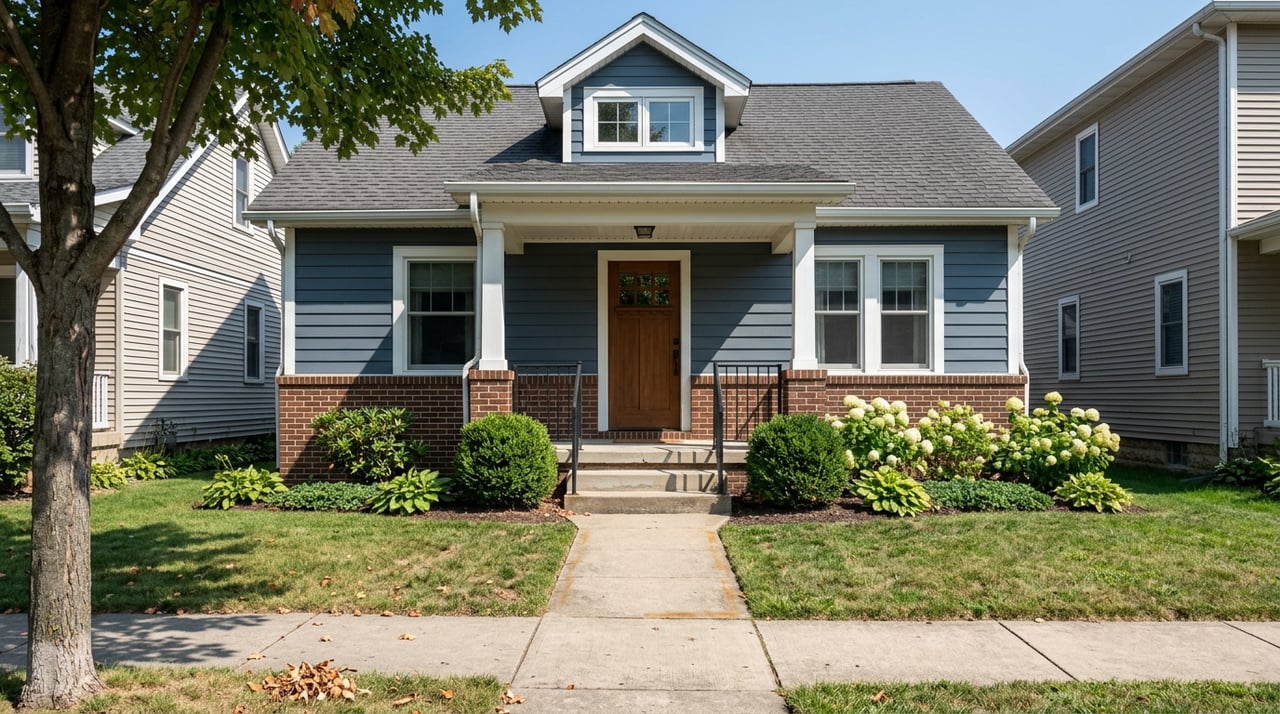
Trying to decide between Squirrel Hill and Shadyside for your next move? You are not alone. Both East End neighborhoods offer character homes, strong daily amenities, and easy access to universities and hospitals. In this guide, you will compare housing types and budgets, walkability and transit, parks, schools, and everyday tradeoffs so you can choose the right fit for your lifestyle. Let’s dive in.
East End snapshot
Squirrel Hill is one large neighborhood in local conversation, though the city treats it as Squirrel Hill North and Squirrel Hill South. It has deep community roots, strong commercial corridors on Forbes and Murray, and a wide variety of streets and home styles. You will see more variation block to block and across North vs. South than in many city neighborhoods. Learn more about the area’s history and boundaries on the overview for Squirrel Hill.
Shadyside is smaller and more compact. It centers on three lively retail corridors—Walnut Street, Ellsworth Avenue, and South Highland Avenue—packed with boutiques, cafés, and services. The housing mix is denser, with condos, brownstones, and walk-ups alongside a few grand Victorians. Explore the neighborhood vibe on Visit Pittsburgh’s Shadyside page.
What this means for you: Treat Squirrel Hill as multiple micro-markets, especially North vs. South. Treat Shadyside as a tight, walkable district with a strong boutique feel.
Housing types and price bands
What you will find in Squirrel Hill
Expect a large share of single-family homes from the early 20th century, including Victorians, Tudors, and Colonials, along with duplexes and some apartment buildings near the commercial corridors. Squirrel Hill North often features larger, higher-priced houses compared to some blocks in Squirrel Hill South. Get a quick background on housing character from the Squirrel Hill overview.
What you will find in Shadyside
Shadyside tends toward smaller building footprints and a denser mix: restored Victorian mansions, brownstones and rowhouses converted to condos, mid-century walk-ups, and newer infill condos. Retail is close by on most blocks, which adds convenience for daily errands. See the retail and streetscape context on Visit Pittsburgh’s guide to Shadyside.
Typical budget ranges to expect
Because different data providers use different neighborhood boundaries and methods, medians vary. Use these as current-market snapshots, not fixed rules.
- Shadyside: Recent provider snapshots show neighborhood medians ranging from the low 400s to the mid 500s. For example, Realtor.com reported about $542K in December 2025 and Zillow’s home value index was about $455K in January 2026. Small sample sizes and a wide condo vs. single-family mix can push medians around month to month.
- Squirrel Hill: Splitting North and South is more helpful. A recent snapshot for Squirrel Hill South shows a median near $445K, while Zillow’s index for Squirrel Hill North was around $749K in early 2026. Aggregated “whole Squirrel Hill” medians can mask the North vs. South differences.
As a quick rule of thumb from recent patterns:
- Shadyside condos and rowhouses: roughly mid 200s to high 600s depending on size and condition.
- Squirrel Hill single-family homes: low 300s up to $1M+ for larger, renovated homes in Squirrel Hill North.
Inventory and pace
Active listing counts are typically in the dozens, not hundreds, in both neighborhoods. Days on market in a recent period ran around 100 days in Shadyside and about 92 days in Squirrel Hill South. Low inventory and high desirability can create selective competition for move-in-ready properties. Always compare address-level comps and on-the-ground trends with your agent.
Walkability, retail, and transit
Walkability at a glance
Shadyside is one of Pittsburgh’s most walkable neighborhoods, with a Walk Score in the 90s. Daily errands, dining, and services are often an easy stroll near Walnut and Ellsworth. Check the current Walk Score for Shadyside.
Squirrel Hill is more mixed. Squirrel Hill South tends to be more walkable overall, while many Squirrel Hill North streets feel quieter and more residential. The Forbes and Murray corridors offer a strong cluster of restaurants, cafés, and neighborhood services. See the Walk Score for Squirrel Hill South for a quick snapshot.
Retail character: Shadyside leans boutique and compact. Squirrel Hill reads like a larger neighborhood hub with long-running community businesses and specialty grocers on Forbes and Murray. Visit the Shadyside neighborhood guide to visualize the street life.
Transit and commuting
Both neighborhoods connect to Oakland and Downtown through Port Authority bus routes. University shuttles and frequent bus corridors, such as the 61-series serving Squirrel Hill and several 71 routes serving Shadyside, link residents to CMU, Pitt, and UPMC facilities. New students and staff often rely on these lines, as noted in local coverage from The Pitt News.
For absolute proximity to Oakland’s campuses and hospitals, Shadyside sits a bit closer. Many addresses fall within a 10 to 20 minute bus ride or a walk in the 15 to 25 minute range. Squirrel Hill trips to Oakland often run 10 to 20 minutes by bus and 10 to 25 minutes by car depending on traffic. Property listings and local guides frequently highlight these short distances, as you will see in examples like this Shadyside rental listing’s walkability description. For any address, confirm live travel times and current bus schedules before you decide.
Bottom line: If daily walking to shops is a top priority, Shadyside often wins. If you want more space and a yard while staying in the city, Squirrel Hill usually trades a bit of walkable density for residential breathing room.
Parks and green space
Squirrel Hill’s signature outdoor amenity is Frick Park on its eastern edge. It is the city’s largest contiguous park, with mid-600 acres of trails and the Frick Environmental Center for programs and events. Read about the Environmental Center’s design and the park’s profile on Architect Magazine.
Shadyside benefits from quick access to Schenley Park near Oakland, which covers roughly 450 acres and anchors many organized recreation options. Shadyside also offers smaller block-level greens like Mellon Park and local playgrounds. Visit Pittsburgh’s Shadyside overview for nearby park mentions.
Schools and learning options
Public school feeders in the East End commonly include Pittsburgh Colfax K–8 and Taylor Allderdice High School. Many Squirrel Hill addresses and some parts of Shadyside map to these schools, though exact assignments can vary by block. Review enrollment and assignment with the district before you plan. For context, see the Colfax K–8 profile.
Private and independent schools are part of many buyer decisions here. Squirrel Hill includes Jewish day schools such as Hillel Academy, Community Day School, and Yeshiva Schools. Learn more about Hillel Academy. In or near Shadyside, families often consider Winchester Thurston and The Ellis School. Explore Winchester Thurston’s admissions info. Choose your micro-location based on the specific school you prefer, and double-check commute patterns and carline logistics.
Which neighborhood fits you best?
Use this quick checklist to narrow your focus:
- You want a walkable, boutique street life with cafés, restaurants, and errands close by, and you are comfortable with condo or smaller-lot living. Lean Shadyside. Review the Walk Score for Shadyside and the neighborhood retail map.
- You want a larger single-family home or more yard space and daily access to big-trail parkland. Lean Squirrel Hill, especially North for higher-end single-family stock. Squirrel Hill’s proximity to Frick Park is a clear advantage, highlighted in this park overview.
- You need the shortest commute to Oakland’s campuses or UPMC. Lean Shadyside for absolute proximity. Confirm live travel times and current bus routes using the guidance in The Pitt News primer.
- You are price sensitive but want the East End experience. Compare Squirrel Hill South and edge blocks in Squirrel Hill, and look at condo options in Shadyside. Use address-level comps because neighborhood medians can swing based on sample size and property mix.
- You want close access to specific private or independent schools. Shadyside places you near Winchester Thurston and Ellis. Squirrel Hill hosts several Jewish day schools, including Hillel Academy. Choose based on your target school and daily routine.
How to decide, step by step
- Clarify your top three priorities: space, walkability, commute, or school access.
- Compare micro-markets: Squirrel Hill North vs. South, or blocks near vs. far from Walnut and Ellsworth in Shadyside.
- Tour at different times: weekday commute, weekend brunch hour, and evening.
- Verify the transit plan: check the nearest bus routes and stops for your likely schedule using route guidance like this local primer.
- Confirm school assignments for the exact address with the district, and note any private-school carline timing.
- Review address-level comps to understand price, time-on-market, and condition tradeoffs.
Ready to zero in on the right block and home style for you? Get calm, data-informed guidance and design-forward presentation from The Allison Pochapin Team. Schedule a consultation and let us help you navigate the East End with confidence.
FAQs
Is Shadyside more expensive than Squirrel Hill for buyers?
- Not always; Shadyside’s boutique condos can push some medians higher, while larger single-family homes in Squirrel Hill North can exceed many Shadyside condos. Compare address-level comps rather than relying on a single median snapshot.
Which neighborhood is more walkable for daily errands?
- Shadyside typically wins on walkability, with a Walk Score in the 90s and compact retail on Walnut and Ellsworth; see the current Walk Score for Shadyside.
What are typical price bands in each neighborhood?
- As a recent pattern, Shadyside condos and rowhouses often run from the mid 200s to high 600s, while Squirrel Hill single-family homes commonly range from the low 300s to $1M+ in Squirrel Hill North; medians vary by data source and date.
How do parks compare for outdoor time with kids and pets?
- Squirrel Hill borders Frick Park, the city’s largest contiguous park with extensive trails and programs at the Frick Environmental Center, while Shadyside has quick access to Schenley Park and smaller neighborhood greens like Mellon Park.
Which is better for short commutes to CMU, Pitt, or UPMC?
- Shadyside sits closer in absolute terms to Oakland job sites; both neighborhoods have frequent bus service, and you should confirm live travel times and route options using resources like this local transit overview.