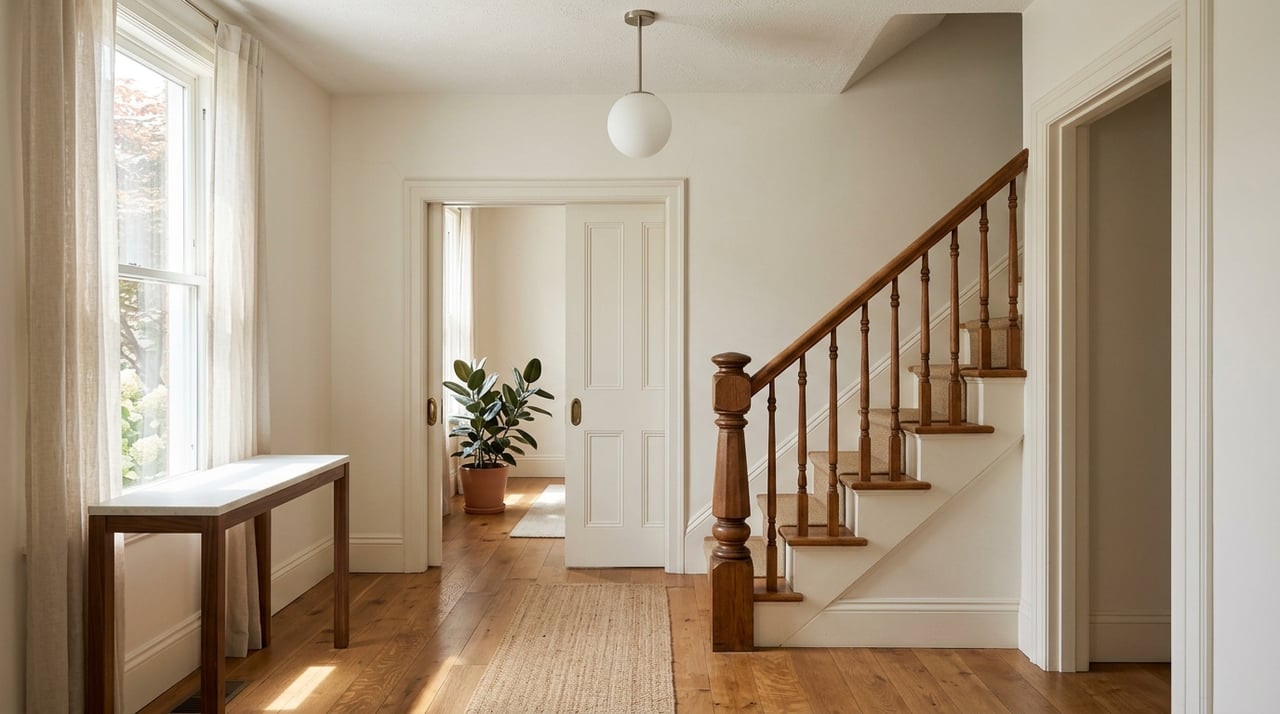
If you own a Shadyside Victorian, you are not just selling square footage. You are selling craftsmanship, history, and the feeling a buyer gets the moment they step onto the porch and look up at the millwork, windows, and stair hall. In a neighborhood where historic character is already part of the draw, the goal is not to make your home look generic. It is to help modern buyers see how beautifully it lives today. Let’s dive in.
Why presentation matters in Shadyside
Shadyside has long been defined by architectural variety. The City of Pittsburgh describes the neighborhood as a mix of stately Victorian mansions, apartment and condominium buildings, and contemporary homes across three business districts, which means character homes are part of the local identity.
That also means your home is likely competing against more than one type of listing. Buyers may be comparing your Victorian to another period property, a recently renovated home, or a lower-maintenance condo, so your presentation needs to make the home feel both distinctive and livable.
Current neighborhood market data reinforces that point. A recent Shadyside snapshot shows 69 homes for sale, a median listing price of $394,500, a median price per square foot of $328, a sale-to-list ratio of 96%, and a median of 54 days on market. When buyers have options, thoughtful prep and disciplined pricing matter.
Lead with the home's original character
A Victorian home should never be marketed like a blank box. Preservation guidance on Queen Anne and related Victorian architecture points to the features buyers often respond to most: varied rooflines, asymmetry, porches, spindlework, stained or multi-pane glass, and richly layered detail.
In plain terms, the emotional selling points are usually craftsmanship, texture, and scale. Original trim, fireplace surrounds, staircases, pocket doors, porch details, and historic windows can create a first impression that newer homes simply cannot replicate.
Instead of modernizing away the house's identity, focus on making those features read as well cared for. Clean them, repair what is worn, and let the architecture do the heavy lifting.
Preserve, do not over-correct
Historic preservation guidance is especially clear on windows. Original wood windows are considered important architectural elements, and repair is preferred when feasible, with in-kind replacement only when necessary.
That matters for sellers because buyers notice authenticity. A well-maintained original window or restored stained-glass panel often adds more character than an overly simplified replacement ever could.
If your home has stained glass, treat it like a signature feature. Preservation guidance notes that stained glass is best repaired in place when possible, and more serious issues may require studio restoration, but intact glass should be showcased, not minimized.
Make the house easier to imagine living in
Modern buyers love historic homes, but they also want clarity. They want to understand how the rooms function, where the light comes in, and whether the home feels calm and usable rather than heavy or cluttered.
That is where staging and editing come in. According to 2025 staging research, 83% of buyers' agents said staging makes it easier for buyers to visualize a property as their future home. That makes prep work part of the selling strategy, not an optional finishing touch.
The key is to reduce visual noise without removing personality. In a Victorian, that usually means simplifying furnishings and decor so the millwork, windows, mantels, and ceiling height become the stars.
Start with the right rooms
If you are deciding where to focus your time and budget, prioritize the rooms that buyers care about most. Staging research points to the living room, primary bedroom, and kitchen as the most important spaces to stage.
That advice fits a Shadyside Victorian well. These homes often have beautiful public rooms and memorable bedroom architecture, but they can also feel busy if there is too much furniture, too many personal items, or dated styling competing with the original detail.
A few strategic changes can go a long way:
- Pack away highly personal items
- Remove bulky or excess furniture
- Use fresh bedding and towels
- Add simple, modest decor
- Paint where needed in neutral colors
- Refresh the entry with a clean mat, tidy landscaping, and potted plants
This is not about a full remodel. It is about helping buyers see the architecture and the function of each room more clearly.
Clean first, then style
Before photography or showings, cleaning may offer one of the biggest returns. Guidance on home marketing highlights the value of cleaning windows, carpets, walls, and lighting fixtures before the home goes live.
In a Victorian, this is especially important because dirt, dust, and dim lighting can mute the very features that should stand out. Clean glass allows natural light to come through. Clean trim reads crisp on camera. A bright stair hall feels inviting instead of shadowy.
Think of cleaning as part of the design plan. Once the house is clean, even modest styling choices tend to look more intentional.
Use a realistic prep budget
For many sellers, the question is not whether prep matters. It is how much to spend. Recent staging research found the median amount spent on a staging service was $1,500, which can be a useful benchmark for light to moderate presentation work.
That does not mean every home needs the same approach. Some homes benefit from a simple refresh, while others may need partial staging, paint, or flooring work before they are truly market-ready.
For sellers who want to improve presentation without taking on all upfront costs at once, Compass also offers Concierge services that can front costs for services such as staging, painting, and flooring until closing. That can make strategic prep more manageable.
Plan photography around the architecture
Photography should not be treated as the last-minute step after everything else is done. It should be part of the full launch strategy, because the images are often the first showing a buyer experiences.
Home marketing guidance points to staging, photography, video, virtual tours, open houses, signage, and competitive pricing as part of an effective listing plan. For a design-forward home, all of those pieces work better when the visual story is clear from day one.
With a Shadyside Victorian, your photo plan should capture what buyers cannot get from square footage alone. That includes:
- Staircase views
- Original millwork
- Fireplace surrounds
- Porch depth and exterior detail
- Window light throughout the day
- Stained or leaded glass
- Room-to-room flow in the main living spaces
These are the details that create emotion and memory. Buyers may forget a room measurement, but they often remember the stained-glass landing, the carved newel post, or the way light moved through the front parlor.
Launch with a measured marketing strategy
A strong listing launch starts well before the home hits the public market. Preparation, photography, and pricing should work together so the property debuts at its best.
Compass outlines a 3-Phased Marketing Strategy that includes Private Exclusive, Coming Soon, and public launch stages. For the right property, this kind of sequence can give sellers a more controlled rollout while making sure the home is fully ready before it reaches the broadest audience.
That approach fits a Shadyside Victorian especially well. Historic homes often reward careful timing, because once the home is clean, bright, photographed well, and positioned correctly, buyers can focus on the home's character rather than on unfinished prep.
Watch for older-home compliance issues
If your home was built before 1978, lead-based paint rules may apply. The EPA says sellers, landlords, real estate agents, and property managers must disclose known information about lead-based paint and lead-based paint hazards before the sale or lease of most pre-1978 housing.
If you are planning pre-listing work, that matters even more. Renovation, repair, and painting work that disturbs lead paint may need to follow lead-safe work practices when applicable.
For exterior changes, some Shadyside properties may also require extra review. Pittsburgh's Historic Review Commission oversees exterior work on historic landmarks and proposed work in historic districts, and Roslyn Place Historic District is one of the city's designated districts in Shadyside. If you are considering changes to windows, porches, façades, or other exterior elements, verify whether review is required before starting work.
The best Shadyside Victorians feel authentic
The most successful presentation usually is not the one that makes a Victorian look newer. It is the one that makes the home feel authentic, well cared for, and easy to imagine living in.
That means preserving the details that give the home its soul, editing the spaces so buyers can see how they function, and launching with photography and marketing that do justice to the architecture. In a neighborhood like Shadyside, that balance matters.
If you are thinking about selling a character home in the East End, the right strategy starts with understanding what should be highlighted, what should be repaired, and what should simply be left alone. For thoughtful guidance on presenting your home for today's market, connect with The Allison Pochapin Team.
FAQs
What should sellers preserve in a Shadyside Victorian before listing?
- Focus on original features like wood windows, stained glass, trim, staircases, mantels, and porch details. When feasible, repair and clean these elements rather than replacing them by default.
What rooms matter most when staging a Victorian home for sale?
- The living room, primary bedroom, and kitchen are the most important rooms to stage, based on current staging research.
What is a reasonable staging budget for a Shadyside home sale?
- Recent staging research found a median spend of $1,500 for a staging service, which can be a useful starting point for planning your prep budget.
What photography details help market a Victorian home best?
- Prioritize images that show staircase views, original millwork, fireplace surrounds, porch depth, natural window light, and stained or leaded glass.
What should sellers know about older-home rules before listing in Shadyside?
- If the home was built before 1978, sellers must disclose known information about lead-based paint hazards. For some exterior work in designated historic areas, city review may also be required before the project begins.
What marketing approach works well for a Shadyside Victorian listing?
- A measured rollout works best: prepare the home first, photograph it when it looks clean and bright, then launch with a clear pricing and marketing plan.