If you are getting ready to sell in Squirrel Hill, presentation can shape how buyers see your home before they ever walk through the door. In a neighborhood known for early-20th-century architecture, thoughtful preparation is not about stripping away character. It is about helping buyers notice the details that make your home feel special, livable, and ready for its next chapter. Let’s dive in.
Why design-forward prep matters in Squirrel Hill
Squirrel Hill stands apart because so much of its housing stock reflects older Pittsburgh architecture. The City of Pittsburgh’s preservation planning for the Lower East End and Squirrel Hill notes a strong presence of pre-1940 homes, including Craftsman, Colonial Revival, Dutch Colonial, and Tudor Revival properties, while the Squirrel Hill preservation context also aligns with local references to Queen Anne and Second Empire examples.
That matters when you sell. Buyers in Squirrel Hill are often responding not just to square footage, but to original millwork, stonework, porches, proportions, and the overall feeling of a home that fits the neighborhood.
The market also supports a more intentional approach. Recent Squirrel Hill North housing market data shows a median sale price of $652,500 in February 2026 with homes selling in about 73 days, while Squirrel Hill South was at $476,250 and about 111 days on market. Compared with Pittsburgh overall, Squirrel Hill sits in a higher-value segment where strong presentation can help you compete for attention and shorten hesitation.
Start with the lifestyle buyers want
Squirrel Hill attracts buyers for more than the house itself. According to the Squirrel Hill Urban Coalition’s neighborhood guide, the area offers walkability, access to business corridors, parks, transit, dining, shopping, and public gathering spaces.
That means your sale strategy should connect the home to the lifestyle buyers imagine here. A polished, uncluttered, light-filled interior helps reinforce the sense that your home fits naturally into the rhythm of daily life in Squirrel Hill.
Focus on preparation, not over-renovation
One of the biggest mistakes sellers make is assuming they need a major remodel before listing. In many cases, the smarter move is to make selective improvements that support photos, showings, and first impressions.
The National Association of Realtors defines staging as cleaning, decluttering, repairing, depersonalizing, and updating a home so buyers can picture themselves living there. In its field guide to preparing and staging a house for sale, NAR emphasizes practical preparation over unnecessary reinvention.
NAR’s 2025 staging data also found that 83% of buyers’ agents said staging made it easier for buyers to visualize a property as a future home. The most important rooms were the living room, primary bedroom, and kitchen, which gives you a clear place to focus first.
Prioritize the prep steps that matter most
If you want a design-forward sale, start with the basics that consistently move the needle. According to NAR, the most common seller recommendations were decluttering, whole-home cleaning, and curb appeal improvements.
Here is the smartest order of operations for most Squirrel Hill homes:
- Clear out anything that makes rooms feel crowded or overly personal.
- Clean thoroughly so surfaces, floors, trim, and windows feel fresh.
- Repair small issues like chipped paint, loose hardware, or worn finishes.
- Stage intentionally to highlight flow, scale, and architectural details.
- Photograph last once the home is fully ready.
This sequence comes directly from NAR’s preparation guidance, and it helps keep the process organized while improving both online presentation and in-person showings.
Declutter to reveal the architecture
In Squirrel Hill, decluttering is not just about making your home look tidy. It is about letting buyers actually see the house.
Oversized furniture, too many accessories, and busy décor can hide the details that make older homes memorable. If your home has original trim, built-ins, leaded glass, a prominent staircase, or a deep front porch, those features should read clearly the moment buyers enter and again when they scroll through photos online.
Try to remove anything that distracts from the room’s shape or period character. Fewer pieces, better spacing, and cleaner sight lines often make a home feel both larger and more refined.
Use light updates that photograph well
You do not need to erase your home’s personality to make it feel current. Instead, focus on updates that reduce visual friction for buyers.
NAR points to several simple improvements that tend to perform well in listing photos and showings: fresh neutral wall color, removing dated window treatments, opening crowded layouts, using fewer and smaller accent pieces, and replacing worn carpet with wood, vinyl, or tile when a flooring update is already needed. You can see those recommendations in NAR’s guidance on why staging matters.
For older Squirrel Hill homes, neutral does not mean bland. It means giving buyers a clean backdrop that allows original details and natural light to take the lead.
Put your best rooms first
If you are deciding where to spend time and money, start where buyer attention is strongest. NAR’s 2025 staging profile identified the living room, primary bedroom, and kitchen as the rooms that matter most.
Living room
Your living room should feel open, conversational, and scaled correctly. Remove extra chairs, side tables, and decorative items that make the room feel tight. If there is a fireplace, built-in shelving, or original window detail, arrange furniture so those features stay visible.
Primary bedroom
Keep the bedroom calm and simple. Clear surfaces, reduce personal items, and use bedding that feels crisp and understated. Buyers tend to respond well when the room feels restful and spacious rather than packed with furniture.
Kitchen
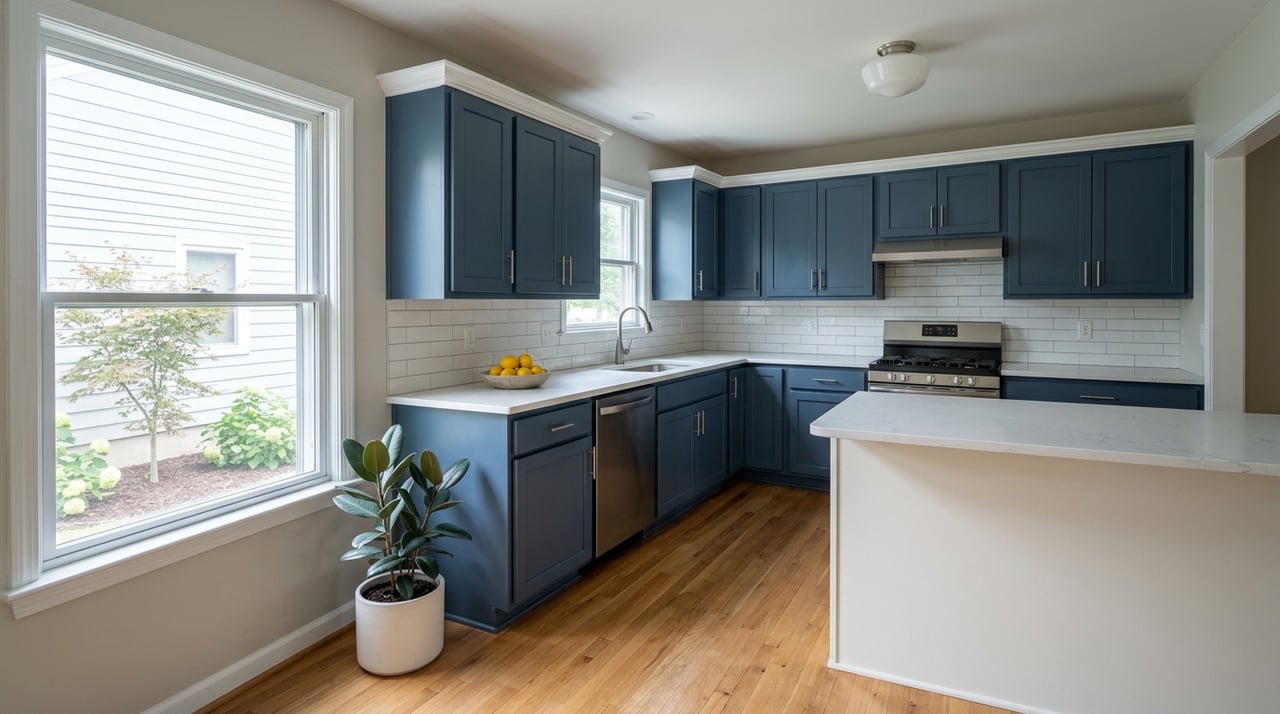
In the kitchen, clear countertops matter. Store small appliances, remove fridge clutter, and keep decorative styling minimal. A clean kitchen signals care, and in photos it helps buyers focus on cabinet lines, workspace, and natural light.
Do not overlook curb appeal
Before buyers notice your entry hall or millwork, they notice your front walk and facade. NAR reports that improving curb appeal is one of the most common pre-listing recommendations, and that is especially important in a neighborhood where street presence and architecture carry real weight.
Simple exterior work can go a long way:
- Refresh mulch or tidy planting beds
- Sweep walks and porches
- Touch up peeling paint where needed
- Clean glass on the front door and storm door
- Remove worn seasonal décor
- Make sure house numbers and lighting look neat and functional
On blocks with strong historic character, including areas like Murray Hill Avenue, exterior presentation should feel clean and respectful of the home’s style rather than overly trendy.
Plan around photos from day one
Many buyers will meet your home online first, and that first impression matters. In NAR’s 2025 reporting on staging and marketing, buyers’ agents rated photos, physical staging, videos, and virtual tours as highly important, and 31% said buyers were more willing to walk through a home they saw online.
That means every prep decision should support photography. Open blinds, maximize natural light, simplify rooms, and make sure key details are visible. In a Squirrel Hill home, that often means highlighting stonework, original woodwork, porch lines, window proportions, and other period features instead of covering them with large furniture or heavy décor.
Match the presentation to the market segment
Because Squirrel Hill homes often sell at a price point well above the citywide median, buyers may come in with higher expectations around condition, presentation, and visual clarity. They are not just comparing your home to another listing on paper. They are comparing how each home feels online and in person.
That is why design-forward preparation works so well here. It helps your home feel intentional, cared for, and aligned with what buyers already value about the neighborhood.
A practical pre-sale checklist
If you want a simple way to move forward, use this checklist before listing your Squirrel Hill home:
- Remove extra furniture to improve flow
- Pack away personal photos and collections
- Deep clean floors, trim, windows, and kitchens
- Repair minor cosmetic issues
- Paint walls a fresh neutral tone where needed
- Replace dated or heavy window treatments
- Clear countertops and open surfaces
- Refresh bedding and towels for a clean, simple look
- Tidy the front entry, porch, and landscaping
- Schedule photography only after the home is fully prepared
Preparation does not need to feel overwhelming when it follows a clear process. Done well, it helps buyers connect emotionally while also supporting your pricing and marketing strategy.
When you are ready to plan a thoughtful, market-ready sale in Squirrel Hill, The Allison Pochapin Team can help you create a presentation strategy that reflects your home’s character and supports a polished launch.
FAQs
What does design-forward home prep mean for a Squirrel Hill sale?
- It means preparing your home in a way that highlights its architecture, improves flow, and creates clean, compelling photos without taking away from its original character.
Which rooms matter most when selling a Squirrel Hill home?
- Based on NAR staging data, the living room, primary bedroom, and kitchen tend to have the biggest impact on buyer perception.
Should you remodel before listing a home in Squirrel Hill?
- Usually, a full remodel is not the first step. Decluttering, cleaning, repairs, curb appeal work, and selective cosmetic updates are often the more practical and cost-conscious approach.
Why are listing photos so important for a Squirrel Hill home sale?
- Many buyers decide whether to visit a home after seeing it online, so strong photos help showcase architectural details, natural light, and overall condition from the start.
How can you prepare an older Squirrel Hill home without losing its charm?
- Focus on revealing original features rather than covering them up. Simplify furniture, reduce décor, brighten rooms, and make small updates that help buyers notice the home’s period details.
What is the best order for preparing a Squirrel Hill home for market?
- A practical sequence is to clear out, clean, repair, stage, and then photograph so each step supports the next one efficiently.