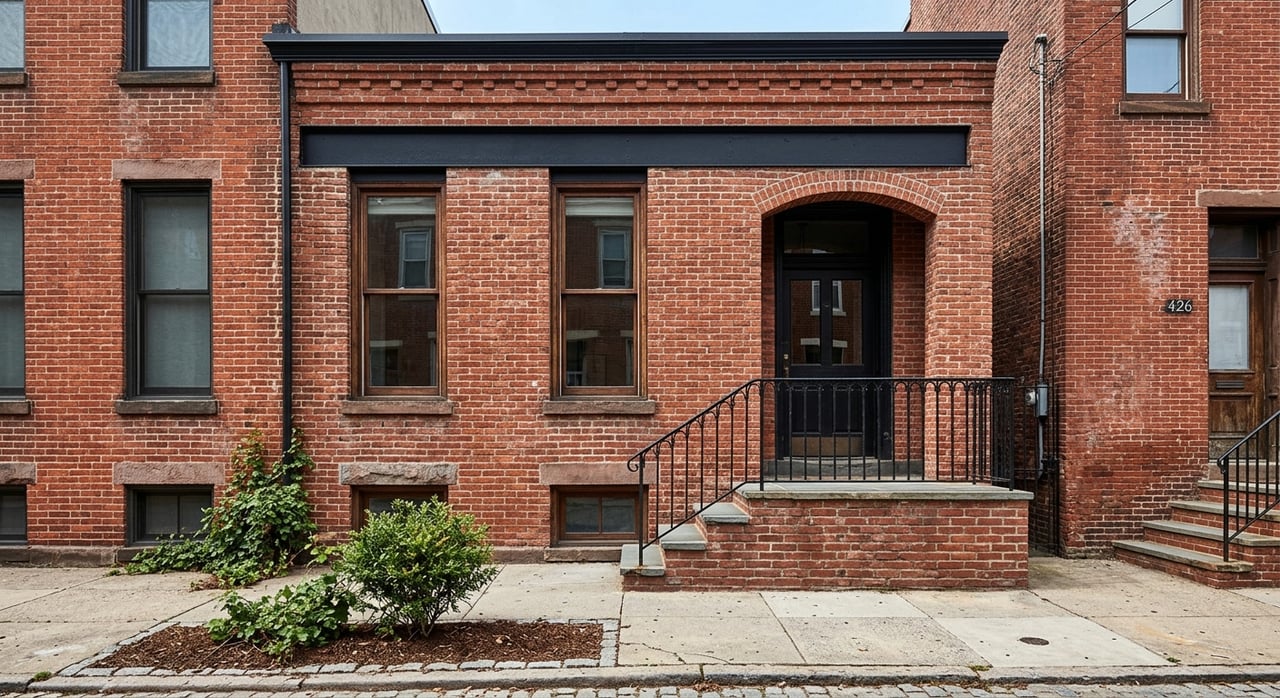
Looking to sell a Lawrenceville row house without blending into the crowd? In a neighborhood where architecture, walkability, and street presence all shape buyer interest, your home needs more than a basic listing to stand out. The good news is that with the right prep, pricing, and presentation, you can make a strong first impression and protect your momentum once your home hits the market. Let’s dive in.
Why Lawrenceville row houses stand out
Lawrenceville is one of Pittsburgh’s best-known neighborhoods, and buyers are often drawn to more than square footage alone. The area offers a mix of dining, arts, retail, and residential streets, all within a few miles of Downtown. That combination gives the neighborhood a strong lifestyle identity that matters in marketing.
Row houses are also a real part of Lawrenceville’s architectural story. City and historic district materials describe reclaimed turn-of-the-century row houses, dense residential blocks, and a broad range of 19th- and early-20th-century homes. For many buyers, details like original brick, proportion, and street character carry real value.
That means your marketing should do more than list features. It should help buyers see how your home fits into the Lawrenceville experience, from the rhythm of the block to the design character of the house itself.
Price by micro-location
One of the biggest mistakes a seller can make is treating Lawrenceville like one single market. Current market data shows real differences between Central, Upper, and Lower Lawrenceville. Those differences can affect both pricing strategy and buyer expectations.
Central Lawrenceville is currently showing a median sale price of about $415,610, with a median 50 days on market and a 97.5% sale-to-list ratio. Upper Lawrenceville is closer to about $399,865, with a similar 50-day median and a 96.4% sale-to-list ratio. Lower Lawrenceville is also around $399,865 in median sale price.
The takeaway is simple: your comp set matters. A row house near one part of Lawrenceville should not be priced off a broad Pittsburgh average or even a neighborhood-wide headline number. A smart pricing strategy starts with the right sub-neighborhood, the right housing type, and the right level of finish.
Launch timing matters
If you plan to sell within the next year, it helps to think ahead. National housing data in the research report suggests seller outcomes tend to be strongest around four weeks after listing, while longer market time raises the odds of price reductions. The same report also notes that spring and summer often bring stronger sale-to-list performance than winter.
That does not mean there is one perfect week to list. It means you should give yourself enough runway to prepare the home well, price it carefully, and launch when buyer activity is seasonally stronger. In practice, that often means planning early rather than rushing to market.
Focus prep on visible impact
For most Lawrenceville row houses, the best pre-listing work is selective, not excessive. Buyers in this neighborhood often respond to character, light, and layout flow. Small cosmetic updates can sharpen that impression without pushing you into a major renovation.
A practical prep plan may include:
- Fresh interior paint
- Cleaned or refreshed masonry where appropriate
- Decluttered rooms and surfaces
- Simple lighting updates
- Washed windows
- Tidied stoop, patio, courtyard, or rear yard
Curb appeal still matters, even on a narrow city lot. Street-facing appearance shapes the first impression, and small exterior improvements can make the home feel more cared for and more memorable.
Stage the rooms buyers remember
Staging can help buyers picture how they would live in the space. According to the research report, 83% of buyers’ agents said staging helps buyers visualize a home as their future home. The rooms that matter most are the living room, primary bedroom, and kitchen.
That guidance fits Lawrenceville row houses especially well. These homes often have strong architectural bones, but they may also have tighter footprints and narrower room dimensions. Good staging helps those spaces feel intentional, balanced, and functional.
You do not always need a full-house overhaul. In many cases, thoughtful furniture placement, fewer accessories, and a cleaner visual flow do the heavy lifting. The research report notes a median spend of $1,500 for professional staging services, which can be helpful if you are building a realistic prep budget.
Highlight outdoor space
In a row house, small outdoor areas often carry more weight than sellers expect. A rear patio, courtyard, deck, or even a neat front stoop can help complete the lifestyle picture. Buyers often see these spaces as an extension of the home, especially in a walkable urban neighborhood.
Because outdoor and yard areas are commonly staged, it is worth giving them attention. Sweep hard surfaces, simplify planters, clean outdoor furniture, and make the space feel usable. Even a compact exterior area can photograph well when it feels clean and purposeful.
Be careful with historic details
If your property is within a locally designated historic district, exterior work may require review. The City of Pittsburgh notes that exterior alterations, demolition, and new construction in historic districts are controlled by the Historic Review Commission. The city’s design-guideline program is also intended to guide exterior changes.
Before replacing windows, changing a facade, altering a porch, or making other visible updates, it is worth confirming what is allowed. This step can help you avoid delays and protect the character that makes many Lawrenceville row houses appealing in the first place.
Use photography to tell a story
Most buyers start online, which means your photos need to do real work. The research report notes that high-resolution photos and video tours are essential, and that listing photos are the most useful online search feature for many buyers. Just as important, the lead image often makes the biggest impact.
For a Lawrenceville row house, the best photo strategy usually starts with the exterior. Buyers should immediately understand the home’s architecture, street presence, and condition. From there, the image sequence should guide them through the space in a way that feels natural.
A strong order often looks like this:
- Best street-facing exterior shot
- Living room
- Kitchen
- Primary bedroom
- Architectural details
- Stair or landing moments
- Rear patio or courtyard
This kind of sequencing helps the home feel coherent. Instead of presenting a narrow house as a series of disconnected rooms, it presents a complete living experience.
Create light, flow, and clarity
Before a photo shoot, focus on the basics that improve every image. Open blinds, let in natural light, remove visual clutter, and make sure surfaces are simple and clean. The goal is not to make the home look generic. It is to make its best features easier to read.
That matters even more in row houses, where depth, transitions, and sightlines shape how buyers perceive the space. Good photography should show how the rooms connect, not just how each one looks by itself.
Build momentum from day one
A polished launch is not just about pretty photos. It is also about controlling the first wave of buyer attention. When a listing arrives fully prepared, correctly priced, and visually strong, it has a better chance of generating early engagement.
That early period matters because longer market time can increase the odds of a price reduction. A disciplined rollout helps you avoid the problem of starting soft and trying to recover later. In a neighborhood like Lawrenceville, where buyer expectations can be sharp, first impressions matter.
Use a phased marketing plan
For sellers who want a more deliberate rollout, Compass offers a three-phase strategy: Private Exclusive, Coming Soon, and Public Websites. According to Compass, this structure is designed to test pricing, build exposure, and reduce the risk of extended time on market or later price cuts.
The same research report notes that Compass associates pre-MLS marketing with a 2.9% higher closing price, a 20% faster time to contract, and a 30% lower likelihood of a price drop. For a Lawrenceville row house, that kind of structured launch can be especially useful when presentation and pricing need to be dialed in before the broadest exposure.
Consider prep help through Concierge
If you know your home would benefit from painting, staging, flooring, or landscaping, cost can feel like the biggest hurdle. Compass Concierge can front approved prep costs, with payment due at closing subject to program terms. That can make it easier to complete the work that supports a stronger launch.
For many sellers, this creates flexibility. Instead of choosing between listing quickly and listing well, you may be able to prepare the home more thoughtfully without taking on all the upfront expense at once.
What maximum impact really looks like
The strongest Lawrenceville listings usually follow the same pattern. They respect the architecture, price to the right submarket, prep with intention, and launch with clear visual strategy. They also present the home as part of a neighborhood lifestyle that buyers already value.
For a row house, maximum impact is rarely about doing the most. It is about doing the right things in the right order. When your marketing matches the character of the home and the expectations of Lawrenceville buyers, you give yourself a better chance at a cleaner, stronger sale.
If you are thinking about selling and want a calm, design-forward plan tailored to your home, The Allison Pochapin Team can help you prepare, position, and launch with confidence.
FAQs
How should you price a Lawrenceville row house?
- You should price it using comparable sales from the correct Lawrenceville sub-neighborhood, since Central, Upper, and Lower Lawrenceville are not performing exactly the same.
What updates matter most before listing a Lawrenceville row house?
- The most effective updates are often cosmetic, such as fresh paint, decluttering, lighting improvements, clean windows, refreshed masonry, and tidy outdoor spaces.
Why does staging help when selling a Lawrenceville row house?
- Staging helps buyers visualize how they would live in the home, especially in narrower urban layouts where flow and furniture placement affect how space feels.
What photos should a Lawrenceville row house listing include?
- A strong listing should start with the best exterior image, then show the living room, kitchen, primary bedroom, architectural details, stairs or landing, and any patio or courtyard.
What should you know about historic rules for a Lawrenceville home?
- If the home is in a locally designated historic district, visible exterior changes may be subject to review by the City of Pittsburgh’s Historic Review Commission.
When is the best time to list a Lawrenceville row house?
- A spring-forward planning approach is often smart, since the research report indicates spring and summer tend to bring stronger seller outcomes than winter.