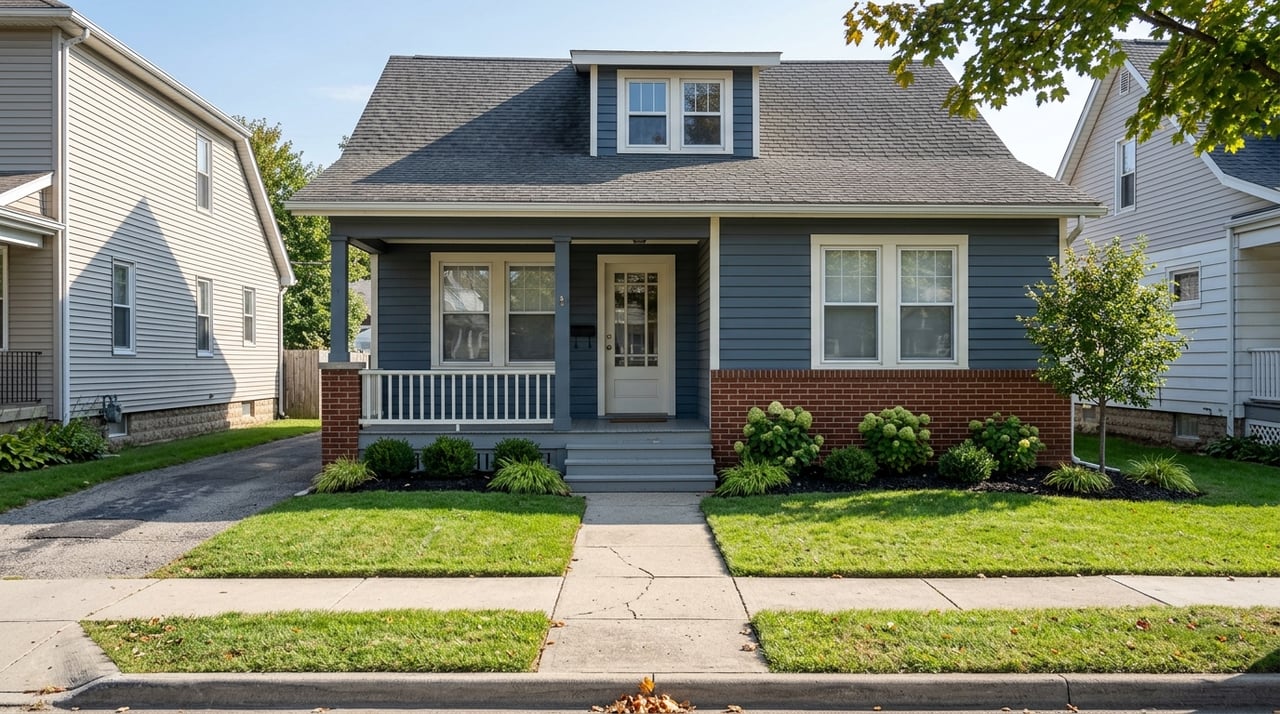
If you have ever fallen for a Highland Park listing in the first 30 seconds, you are not alone. Between historic façades, tree-lined blocks, and the pull of the park, these homes can create a strong first impression fast. The good news is that you can learn to read past the marketing language, spot the real value signals, and ask smarter questions before you book a showing. Let’s dive in.
Why Highland Park listings feel different
Highland Park is not just another Pittsburgh neighborhood with attractive housing stock. Its identity is closely tied to a major city park, Bryant Street’s business district, and a residential historic district that developed mainly from the mid-19th century through about 1940.
That matters because a Highland Park listing is often selling more than square footage and finishes. It is also selling historic character, proximity to green space, and access to neighborhood amenities. When you read a listing here, you should look at both the home and the setting it is trying to emphasize.
Start with the location story
Before you focus on countertops or paint colors, pause and ask what kind of location the listing is really highlighting. In Highland Park, micro-location can shape how a home is presented and perceived.
Homes closer to Bryant Street often trade on walkability and daily convenience. Homes nearer the park edge or older entrance streets may lean more on park access and a quieter residential setting. That is not a strict rule, but it is a helpful way to read the listing’s value story.
Check what the listing emphasizes
Look for clues in the first few lines of the description and in the order of the photos. If the listing leads with Bryant Street, coffee shops, or neighborhood retail, the location pitch may be centered on convenience.
If it leads with park access, mature streetscapes, or architectural character, the listing may be leaning into lifestyle and setting. Neither is better. You just want to know what the seller and agent believe is the strongest selling point.
Match the story to the map
A listing can sound very specific while still staying vague. If the copy talks about being "close to everything," translate that into a more practical question: close to what, exactly?
In Highland Park, that usually means understanding whether the home sits near Bryant Street, closer to the park, or deeper in the residential grid. That small detail can help you interpret pricing, foot traffic, and day-to-day feel.
Decode older-home language
Highland Park is known for late-19th- and early-20th-century single-family homes, and many buyers are drawn to that architectural character. But character only adds value when it is paired with maintenance and thoughtful updates.
That is why certain listing words deserve a second look. Terms like charming, historic, and original can be appealing, but they are not the same thing as a clear condition report.
What common listing words may signal
Here are a few phrases to treat as prompts for follow-up questions:
- Charming: likely character-driven, but not specific about condition or layout
- Original details: some period features remain, but you still need to know what systems have been updated
- Cozy: often suggests a smaller footprint or tighter room flow
- Unique: may mean distinctive design, or may mean an unusual layout that is not for everyone
- TLC: work is likely needed
- Fixer-upper: expect repairs, upgrades, or broader renovation needs
The goal is not to be cynical. It is simply to translate marketing language into practical next questions.
Ask what was actually updated
When a listing mentions updates, do not stop at the word itself. Ask whether the work was cosmetic, such as paint and fixtures, or systems-level, such as mechanicals, windows, roofing, or other major components.
In an older Highland Park home, that distinction matters. A beautifully styled kitchen can be a plus, but it does not answer bigger questions about long-term upkeep.
Compare the copy to the hard facts
A strong listing description is meant to shape how you see a home. That is normal. But the best way to read a listing like a pro is to compare the story against the measurable facts.
Start with the basics: list price, days on market, photos, and comparable sales. These are often more useful than adjectives.
Pay attention to days on market
Days on market can help you understand how a listing is landing with buyers. A home that moves quickly may be priced well, highly compelling, or both.
A home that has been sitting may still be worth considering, but you should read the listing more carefully. Is the pricing ambitious for the condition, or is the marketing not fully answering buyer questions?
Use comps to ground the price
Comparable sales help you test whether the asking price makes sense for similar Highland Park homes of similar age and condition. This is especially important in a neighborhood where two homes can look similar from the street but differ significantly in updates, layout, and lot context.
If the listing copy sounds polished but the price feels hard to support, that gap is a signal. The same is true if the home is presented as special but the photos and facts feel thin.
Read the photos with intention
Most buyers begin online, and photos do a lot of the early persuasion. That makes the photo set one of the best places to look for both confidence and caution.
Guidance in the research suggests that 22 to 27 photos is an ideal range for a listing. If you see only a sparse gallery, repeated angles, or a set that avoids certain spaces, take note.
Look for missing rooms and missing context
A complete photo set should help you understand both the rooms and how they connect. If you cannot tell how the kitchen relates to the dining space, or whether the bedrooms and baths feel consistent with the rest of the home, you may not have enough information yet.
You should also notice what is missing. Basements, side yards, utility areas, and secondary baths are common blind spots when a listing is trying to keep the focus on prettier spaces.
Treat wide-angle images carefully
Bright, crisp photography is helpful, but it should still feel honest. Very polished images, heavy editing, or exaggerated wide-angle views can make it harder to judge scale and condition.
In a neighborhood like Highland Park, where design and character often drive interest, beautiful visuals matter. Still, photos are a starting point, not proof.
Understand what Highland Park value often includes
Because of the neighborhood’s history and layout, value often comes from a blend of factors rather than one single feature. A listing may be asking you to pay for preserved character, a close relationship to the park, convenience to Bryant Street, or some mix of all three.
That is why two homes with similar bedroom counts can feel priced very differently. One may be trading on its block, architecture, and setting just as much as its interior finish level.
Character should come with credibility
When a listing leans heavily on words like historic or full of original detail, that can absolutely be part of the appeal. But in practical terms, the stronger listing is the one that can support the charm with specifics.
You want to know what is preserved, what has been replaced, and what still may need attention. In older homes, romance and reality need to be evaluated together.
Questions to ask before you tour
If you want to approach a Highland Park listing with more confidence, keep a short checklist in mind before you schedule a showing.
Your quick listing-read checklist
- What is the listing really selling: location, character, updates, or all three?
- Is the home near Bryant Street, near the park, or deeper in the neighborhood grid?
- What updates are mentioned, and are they cosmetic or systems-level?
- Are any key spaces missing from the photo gallery?
- Does the asking price appear supported by comparable homes of similar age and condition?
- Do the words and the visuals tell the same story?
A listing does not need to be perfect to be worth seeing. You just want to know where the open questions are before you get emotionally attached.
A smart read leads to a better decision
The best Highland Park buyers are not the ones who never fall for beautiful listings. They are the ones who know how to enjoy the charm while still reading the details carefully.
When you understand how location, older-home language, pricing, and photography work together, you can move from browsing to evaluating. That helps you spot real opportunity, avoid surprises, and make decisions with more clarity.
If you are comparing homes in Highland Park and want calm, local guidance on what a listing is really telling you, The Allison Pochapin Team can help you read the market with a sharper eye.
FAQs
What should you look for first in a Highland Park listing?
- Start with the location story. In Highland Park, listings often draw value from proximity to the park, Bryant Street, or the neighborhood’s historic residential setting.
What does “charming” usually mean in a Highland Park home listing?
- It usually signals character, not condition. You should ask what original features remain and what major components have been updated.
Why do photos matter so much when reading a Highland Park listing?
- Photos shape your first impression, but they can also leave out important spaces. Missing basement, utility, or side-yard photos can be a cue to ask more questions.
How can you tell if a Highland Park listing is priced fairly?
- Compare the asking price to similar Highland Park homes with comparable age, condition, and location. The listing copy alone should not determine value.
What questions should you ask about updates in an older Highland Park home?
- Ask whether the updates are cosmetic or systems-level, and clarify what was replaced, what was preserved, and what may still need work.