If you only know Shadyside by its shop-lined streets, you are only seeing part of the picture. For people who live here, the neighborhood is less about a single hot spot and more about how easily daily life fits together, from morning coffee to evening walks through tree-lined blocks. If you are thinking about moving to Shadyside, this guide will help you understand how locals really use the neighborhood day to day. Let’s dive in.
Shadyside feels walkable and layered
Shadyside sits about six miles from Downtown Pittsburgh, but it does not feel like a place built around commuting in and out of a central core. Instead, it has a large residential area wrapped around three business districts: Walnut Street, Ellsworth Avenue, and South Highland Avenue.
That layout shapes how people live here. You might start your day on a quiet residential street, walk to a café or errand, and then move between different corridors depending on what you need. The rhythm is local, flexible, and easy to navigate.
The streets each play a different role
One of the best ways to understand Shadyside is to think of it as a neighborhood with three distinct commercial corridors rather than one main street. Each one supports daily life in a slightly different way.
Walnut Street is the best-known hub
Walnut Street is the corridor many people picture first. It is the neighborhood’s best-known shopping and dining spine, with boutiques, national retailers, cafés, and restaurants.
For locals, Walnut often works as the anchor for everyday convenience and social plans. It is a place where errands, lunch, browsing, and dinner can happen within the same few blocks.
Ellsworth Avenue feels more local and connected
Ellsworth Avenue has a more street-level, neighborhood feel. It is also an important connection point between Oakland and East Liberty, and city planning materials identify it as a direct route with some of Pittsburgh’s highest bicycle volumes.
That helps explain why Ellsworth often feels active without being overly formal. You are likely to see a steady mix of pedestrians, cyclists, and people moving through the East End as part of their normal routine.
South Highland Avenue supports daily use
South Highland Avenue rounds out the triangle. Local neighborhood resources identify it as one of Shadyside’s core business streets, and parking guidance suggests much of the activity here is built around short visits and walkable errands.
In practical terms, that means South Highland functions as part of the neighborhood’s everyday infrastructure. It supports the kind of quick stops and regular routines that make a place feel easy to live in.
Residential blocks are a big part of the appeal
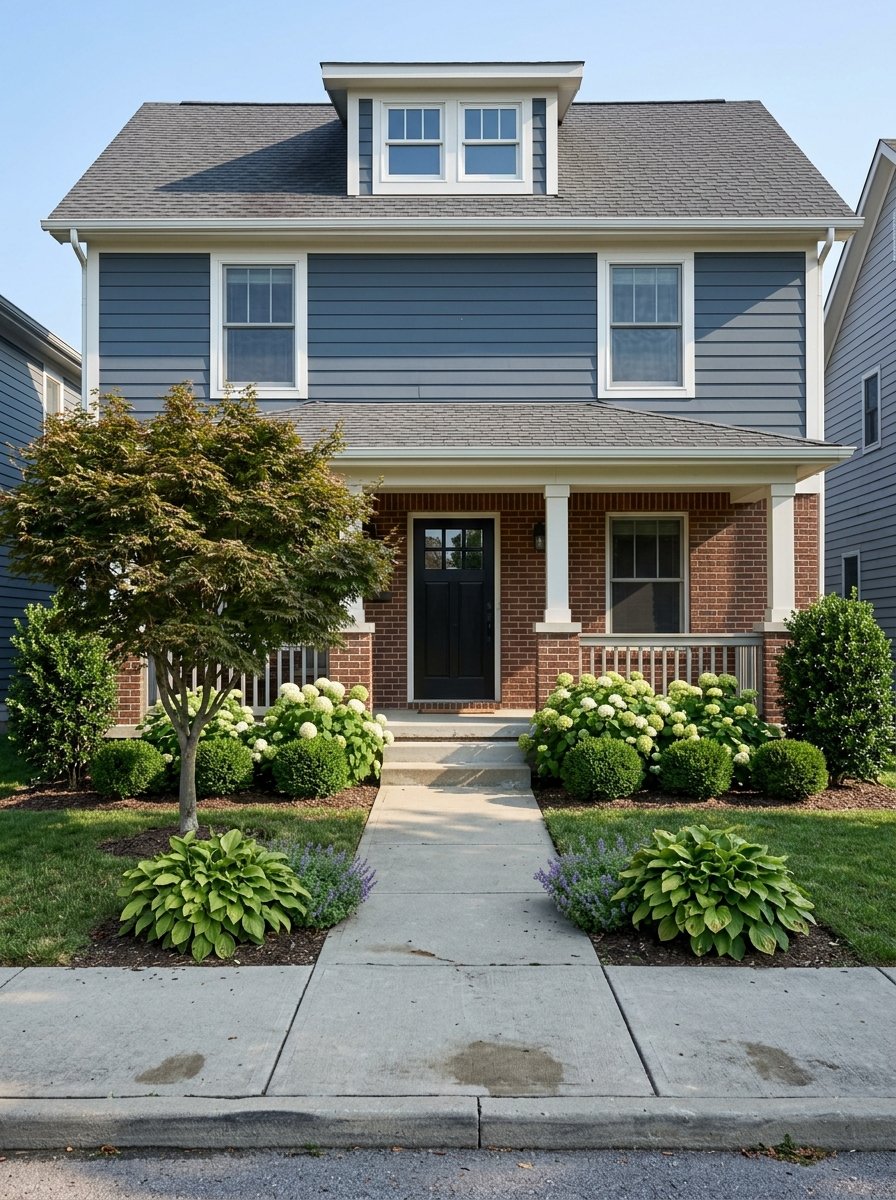
What often surprises buyers is how calm many of Shadyside’s residential streets feel once you step off the commercial corridors. The neighborhood is known for tree-lined side streets and a dense collection of older homes and buildings arranged close to daily destinations.
City heritage materials describe hundreds of Victorian and early-twentieth-century dwellings in Shadyside, with commercial buildings clustered along streets like Walnut, Ellsworth, Highland, and Aiken. Public neighborhood descriptions also note a mix of restored Victorian mansions, modern homes, and condos.
That blend gives Shadyside a lived-in, layered character. You get architecture with history, but also a range of housing types that support different kinds of buyers and lifestyles.
Shadyside still has a streetcar-suburb feel
A helpful way to picture Shadyside is as an older neighborhood where residential streets and active corridors sit close together. The built form, transit access, and corridor layout create a setting where many daily trips can happen on foot, by bike, or with a short bus ride.
That does not mean every destination is inside the neighborhood. It means your routine can be lighter, more connected, and less dependent on getting in the car for every small task.
Parks and public spaces shape local life
Shadyside is not only about shops and housing. Green space and public gathering places also help define how people spend time here.
Mellon Park adds room to breathe
Mellon Park is the neighborhood’s signature green space. The city lists historical gardens, arts programming, a playground, a spray park, a tennis bubble, the Walled Garden, and the former Pittsburgh Center for the Arts space within the park.
For locals, that means Mellon Park serves multiple roles. It can be a place for a walk, a family outing, time outdoors, or connection to arts and civic programming, all within the neighborhood.
Roslyn Place adds a memorable historic detail
Shadyside also includes the Roslyn Place Historic District, which the city describes as early-twentieth-century homes on Pittsburgh’s only remaining wooden street. It is a small detail, but it says a lot about the neighborhood’s character.
Places like this give Shadyside texture. It is not just convenient. It also feels distinct, with historic elements that residents and visitors remember.
Community life is active but neighborhood-scaled
Shadyside has an organized local identity that goes beyond real estate. The Shadyside Community Partnership holds monthly meetings and frames its work around business support, cleaner blocks, safer streets, and neighborhood events.
That shows up in the feel of the area. Community efforts around sidewalks, lighting, calmer traffic, and events help support a version of city living that feels active but still grounded in day-to-day neighborhood stewardship.
Events create local touchpoints
Neighborhood organizations and local tourism sources point to events and recurring public experiences such as the Sidewalk Sale, House Tour, and Summer Jam on Walnut. These are not just calendar items. They are part of how people stay connected to the neighborhood around them.
For buyers, this matters because it points to a place with regular civic energy. You are not just moving near amenities. You are moving into a neighborhood with visible community life.
Getting around is practical and flexible
Shadyside’s daily movement patterns are more varied than many buyers expect. Rather than relying on one single transit line, the neighborhood is served by a layered Pittsburgh Regional Transit bus network.
Current route materials show Shadyside stops on the 64, 71A, and 75, while the P1 and P3 connect the East Busway to Downtown and Oakland. The 75 also links Shadyside with East Liberty, Bakery Square, Oakland, and South Side Works.
Many errands extend beyond the neighborhood
In real life, local routines often spill into nearby East End neighborhoods. Transit maps connect Shadyside to groceries, hospitals, Chatham University, Bakery Square, and the Oakland university and hospital district.
That makes the neighborhood especially practical if your work, appointments, or social life are spread across the East End. You can enjoy Shadyside as home base while still moving efficiently to nearby destinations.
What living in Shadyside really feels like
The most accurate picture of Shadyside is not all bustle and not all quiet. It is a blend of residential calm and urban convenience, where tree-lined blocks sit close to active retail streets, parks, arts spaces, and transit connections.
That balance is why the neighborhood appeals to so many different buyers. If you want a place that feels established, connected, and easy to use day to day, Shadyside offers a version of city living that is both practical and full of character.
If you are exploring Shadyside or comparing East End neighborhoods, working with a team that understands how people actually live block by block can make the search much clearer. The Allison Pochapin Team brings thoughtful local guidance, a calm process, and deep East End expertise to help you find the right fit.
FAQs
What is daily life like in Shadyside, Pittsburgh?
- Daily life in Shadyside often revolves around short local trips, walkable business corridors, tree-lined residential streets, and easy access to parks, shops, and nearby East End destinations.
What are the main commercial streets in Shadyside?
- Shadyside’s three core business corridors are Walnut Street, Ellsworth Avenue, and South Highland Avenue, each serving a different role in shopping, dining, errands, and neighborhood movement.
What is Walnut Street like in Shadyside?
- Walnut Street is Shadyside’s best-known shopping and dining corridor, with boutiques, national retailers, cafés, and restaurants that make it a central part of daily life.
Is Shadyside a walkable neighborhood in Pittsburgh?
- Yes. Public-facing neighborhood descriptions emphasize that many daily destinations are within walking distance, with residential blocks located close to the area’s commercial streets.
What parks and public spaces are in Shadyside?
- Mellon Park is the neighborhood’s signature green space, with gardens, arts programming, a playground, a spray park, a tennis bubble, and the Walled Garden.
How do residents get around from Shadyside?
- Residents often get around by walking, biking, driving short distances, or using Pittsburgh Regional Transit routes such as the 64, 71A, 75, P1, and P3 for connections across the East End, Oakland, and Downtown.
What kind of homes are found in Shadyside?
- Shadyside includes Victorian and early-twentieth-century dwellings, along with a mix of restored older homes, modern homes, and condos.