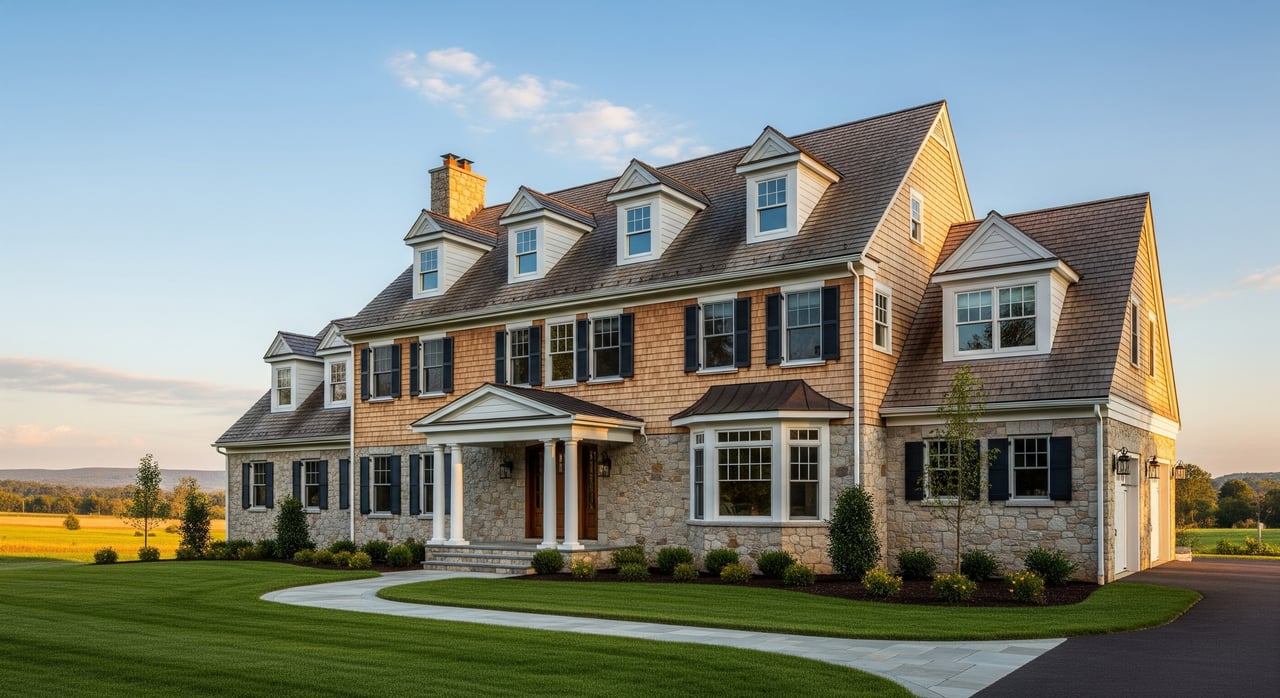
From turreted porches to clean mid-century lines, Highland Park’s homes offer the kind of character you notice the moment you turn onto the block. If you love original woodwork, cozy fireplaces, and details that tell a story, you are in the right place. In this guide, you will learn how to spot four popular styles in Highland Park, Mifflin County, what layouts and materials to expect, and which updates add real value when you buy or sell. Let’s dive in.
Start with local facts
Before you fall for a house’s curb appeal, take a minute to confirm the basics. Even two homes that look similar can have very different histories and systems.
- Check the Mifflin County property assessor for build year, lot size, and tax class.
- Ask the borough or township building department about permits and code compliance.
- Explore local archives through the Mifflin County Historical Society or the Pennsylvania Historical and Museum Commission to verify any historic designation.
- Review old Sanborn fire insurance maps for early footprints if you are considering major changes in older homes.
These sources help you avoid assumptions about age, additions, or restrictions that could impact your plans.
A quick read from the street
Many small Pennsylvania neighborhoods share a similar pattern: late 19th and early 20th century homes near the core, interwar Tudors and Colonial Revivals on nearby streets, and postwar mid-century ranches and split-levels a bit farther out. Lots tend to be smaller than newer suburbs, setbacks are short, and porches face the street. With that in mind, use the style cues below to decode what you see.
Victorian style cues
Victorian homes in Pennsylvania span Queen Anne, Italianate, and Second Empire subtypes. You will often notice asymmetry, complex rooflines, and ornate trim.
What you see outside
- Steep gables, bay windows, or a turret on Queen Anne examples
- Decorative shingles, brackets, and spindlework
- Wraparound or projecting porches with turned posts and detailed railings
- Brick or wood clapboard with stone or brick foundations
What you live with inside
- A formal parlor, separate dining room, and a hall-and-room pattern
- High ceilings, often 9 to 12 feet
- Built-ins, pocket doors, and plaster walls
- Multiple smaller bedrooms upstairs
Renovation watch-outs
- Older wiring such as knob-and-tube or cloth insulated runs may remain in very old examples
- Cast iron radiators are common and can be efficient but require maintenance
- Enclosed porches, attic conversions, or past kitchen updates may have removed original details
- Potential hazards include lead paint in pre-1978 homes and asbestos in pipe wrap or old tiles
What adds value
- Intact millwork, mantels, and stained glass
- Refinished hardwood floors and restored porches
- Original floor plans with thoughtful modernization in kitchens and baths
Tudor Revival character
Tudor Revival homes arrived mainly in the 1920s to 1940s. They read as storybook cottages or sturdy brick dwellings with steep roofs and crafted details.
What you see outside
- Steep, front-facing gables and decorative half-timbering with stucco infill
- Brick or stone paired with stucco
- Tall, narrow windows, often leaded or diamond-pane
- Prominent chimneys with decorative chimney pots and arched entries
What you live with inside
- A living room anchored by a fireplace and a separate dining room
- Modest kitchens compared with today’s standards
- Wood casement windows, plaster walls, and occasional exposed beams
Renovation watch-outs
- Matching stucco texture and timber proportions when repairing façades
- Replacement windows should respect original divided-light patterns and proportions
What adds value
- Original leaded glass, distinctive masonry, and arched doors
- Period-appropriate kitchen and bath updates paired with modern systems
Colonial Revival and Foursquare
Colonial Revival styles, including the American Foursquare, emphasize symmetry and simple classical details. They span the late 19th century through the 1940s.
What you see outside
- Balanced façades with a centered front door
- Modest pediments or porticos and double-hung windows
- Clapboard or brick exteriors
- Foursquare subtype with a broad front porch and a clean, boxy form
What you live with inside
- A central hall plan or a four-rooms-per-floor layout in Foursquares
- Higher ceilings in earlier examples
- Simple casing, baseboards, and occasional built-ins
Renovation watch-outs
- Earlier electrification and central heating may still need modern upgrades
- Window repair and storm windows often preserve character better than full replacements
What adds value
- Symmetry, original windows with true divided lights, and intact shutters
- Kitchens updated with restrained profiles and hardware that respect scale
Mid-century simplicity
Postwar homes in the 1940s through 1960s introduced cleaner lines, larger windows, and a closer connection to the outdoors. Ranches and split-levels dominate this era.
What you see outside
- Low, horizontal rooflines with simple forms
- Large picture windows and an attached garage
- Brick or wood siding with minimal ornament
What you live with inside
- Open or semi-open living areas with functional circulation
- Lower ceilings than prewar houses
- Basements that often serve as bonus living space or workshops
Renovation watch-outs
- Electrical capacity can vary from 60 to 200 amps depending on updates
- Kitchens and baths may be dated but respond well to thoughtful refreshes
What adds value
- Preserved original cabinetry, hardware, and window walls
- Improved indoor-outdoor flow and modern mechanicals that do not disrupt the clean aesthetic
Systems and structure to evaluate
No matter the style, older homes reward careful due diligence. A focused inspection will help you plan realistic budgets and protect long-term value.
Electrical and HVAC
- Older homes may still have 60 to 100 amp service. Many buyers prefer upgrading to 200 amps for today’s appliances and air conditioning.
- Expect a mix of boilers, radiator heat, and forced-air furnaces. Central air may be absent in prewar houses. Ductless mini-splits can provide cooling without major demolition.
Plumbing and potential hazards
- Very old plumbing can include galvanized steel or even lead components. Many homes have been retrofitted with copper or plastic supply lines.
- Test for lead paint in any pre-1978 home if you plan to renovate. Asbestos may be present in insulation, floor tiles, or pipe wrap and should be handled by licensed professionals.
- Radon is a regional consideration. Testing and mitigation are common when levels exceed federal action guidelines.
Foundations, roofs, and porches
- Stone or brick foundations are typical in older Pennsylvania houses. Look for spalling mortar, moisture, and signs of movement.
- Complex Victorian rooflines increase flashing and maintenance needs. Slate roofs, if present, are long lasting but require specialized repair.
- Porches bring curb appeal but often suffer hidden rot in framing, decking, and posts. Restoration resonates with buyers and supports value.
Windows and insulation
- Original wood windows contribute to character. Often, repair plus quality storm windows offers the best balance of comfort and preservation.
- Whole-house energy improvements like air sealing and attic insulation can deliver comfort gains before you consider wall insulation, which requires care in masonry walls.
What adds value in Highland Park
Buyers respond to authenticity and well-executed updates. If you are preparing to list, focus on improvements that preserve character while upgrading function.
- Curb appeal: Clean paint or masonry, healthy landscaping, and a sound porch with original details
- Period details: Intact hardwood floors, decorative moldings, pocket doors, built-ins, and stained glass
- Natural light: Large bays, grouped windows, and unobstructed views
- Functional upgrades: Kitchens that honor original proportions and trim, plus well-planned secondary baths
- Reliable systems: Updated electrical, HVAC, and a roof with documented service
- Livable bonus spaces: Finished attics or basements with proper egress and outdoor areas that extend living space
Quick checklists
For sellers before listing
- Get a pre-listing inspection focused on roof, foundation, HVAC, plumbing, and electrical
- Repair obvious safety issues such as loose railings or trip hazards
- Refresh key period features: refinish floors, repair plaster cracks, and touch up paint
- Stage to showcase mantels, built-ins, and window bays
- Compile service records and any permits for prior work
For buyers touring homes
- Ask for the build year and dates of major replacements such as roof, HVAC, and electrical panel
- Request any historic photos, blueprints, or records of past permits or additions
- Look for signs of moisture in basements, uneven floors, and sagging porches
- Plan targeted testing for lead paint, asbestos, and wood-destroying organisms if you intend to renovate
Planning within historic context
Parts of some Pennsylvania communities fall within historic districts or include individually landmarked properties. Exterior changes in those areas may require review by a local commission. Interiors are usually less regulated. Verify any designation with the Mifflin County Historical Society or your municipal planning office. If you are pursuing significant updates, consider contractors who specialize in older houses to reduce risk and preserve value.
Photo strategy for listings
Thoughtful photos help buyers read a home’s architecture and imagine life there.
- Capture the façade, porch, and entry from a natural angle
- Showcase the living room fireplace, kitchen, primary bedroom, and any built-ins
- Include stained glass, original hardware, and window groupings that frame views
- Use wide-angle lenses with care to avoid distorting room proportions
The bottom line
When you understand what you are seeing, Highland Park’s architectural mix becomes an opportunity. You can preserve what makes a home special and still enjoy modern comfort. If you are buying, focus on structure and systems while you hunt for original details that speak to you. If you are selling, invest in thoughtful preparation that protects character, improves function, and photographs beautifully.
If you value design-forward guidance and a calm, process-driven approach, connect with The Allison Pochapin Team to map your plan, discuss presentation, and tap into trusted vendor and referral resources.
FAQs
What are the most common home styles in Highland Park, Mifflin County?
- You will often see Victorian-era homes, Tudor Revival from the interwar years, Colonial Revival and American Foursquare, plus postwar mid-century ranches and split-levels.
How can I tell a Victorian from a Colonial Revival at a glance?
- Victorians are asymmetrical with complex roofs, bays, and ornate trim, while Colonial Revival homes favor symmetry with centered entries and straightforward details.
Are original wood windows worth keeping in older Pennsylvania homes?
- Yes, when repaired and paired with quality storm windows they often balance comfort, energy performance, and historic character better than basic replacements.
What should I know about slate roofs on older homes?
- Slate can last many decades with proper maintenance, but repairs should be done by experienced roofers and costs are higher than standard asphalt shingles.
Do I need a permit to renovate in a historic area of Highland Park?
- If a property lies in a designated historic district or has landmark status, exterior changes may require approval by a local commission, so verify with municipal offices.
What environmental tests should I consider before renovating an older home?
- Common tests include lead paint in pre-1978 homes, asbestos in certain materials, and radon; mitigation is routine when levels exceed recommended action thresholds.