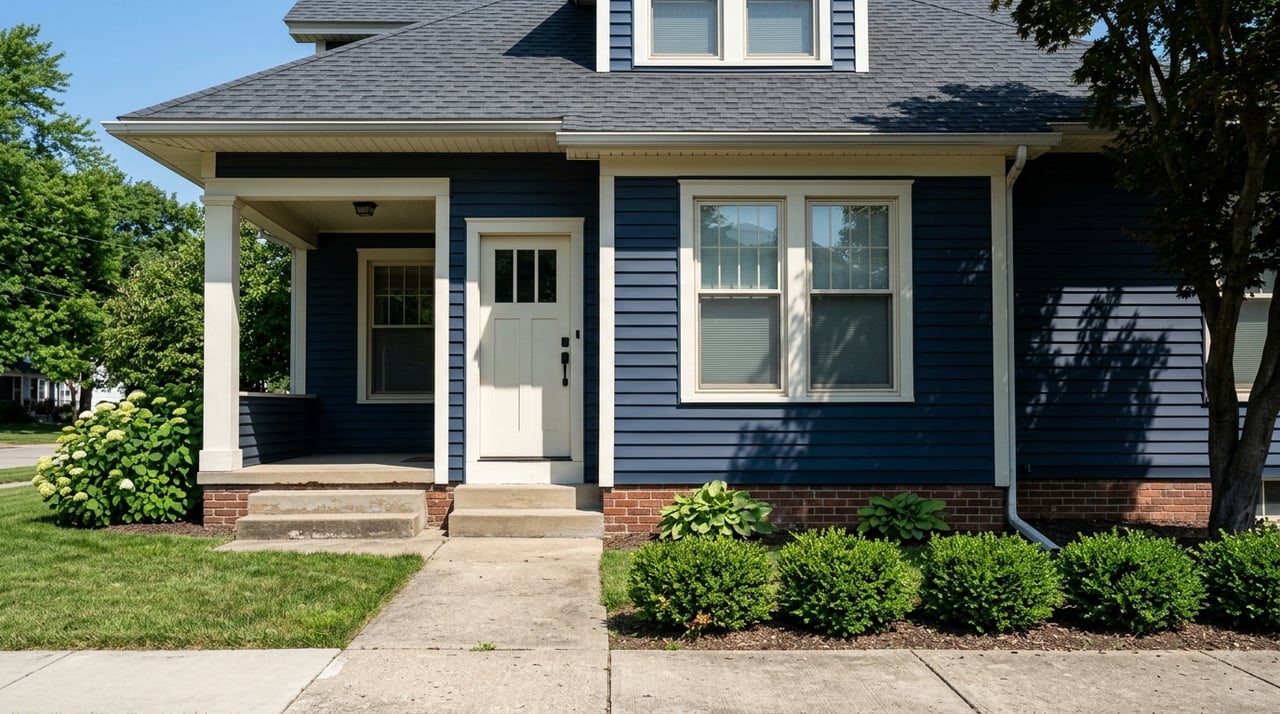
Thinking about buying a historic home in Highland Park? It can be one of the most rewarding moves you make, but it also comes with a different set of questions than buying newer construction. If you love original detail, established streetscapes, and houses with real architectural character, this guide will help you understand what to look for, what to ask, and how to plan wisely before you buy. Let’s dive in.
Why Highland Park Appeals to Historic-Home Buyers
Highland Park stands out because it is not a neighborhood of lookalike houses or standardized floor plans. The City of Pittsburgh describes the area as a neighborhood of tree-lined streets with Victorian, Tudor, and Colonial homes, and its residential historic district was added to the National Register in 2007.
According to the Highland Park Community Council’s summary of the district application, the district includes 1,967 buildings, about 93% of them residential, with most built between 1900 and 1930. Colonial Revival is the most common style, followed by Tudor Revival and Queen Anne, which helps explain why the neighborhood feels visually rich and layered.
For many buyers, that is the appeal. You are often choosing Highland Park for original materials, visible craftsmanship, and a cohesive prewar setting rather than easy uniformity.
What Homes You’ll Likely See
Colonial Revival Homes
Colonial Revival is the dominant style in Highland Park. These homes often feature balanced symmetry, side-gabled or hipped roofs, double-hung windows, columned porches or porticos, and front entries with sidelights or fanlights.
If you are drawn to a classic, orderly façade, this style may feel especially appealing. Many buyers appreciate how these homes blend formal curb appeal with practical livability.
Tudor Revival Homes
Tudor Revival homes add a different kind of character. Common features include steep rooflines, cross gables, narrow multi-pane windows, half-timbering, prominent chimneys, and masonry or stucco walls.
The Pennsylvania Historical and Museum Commission notes that Tudor houses are often masonry, masonry-veneered, or stucco construction, sometimes with ornamental brick or stonework. In Highland Park, these homes can feel especially distinctive because of their materials and rooflines.
Earlier Architectural Details
Some of Highland Park’s earliest homes date to the 1860s through the 1890s. In those properties, you may also find Queen Anne, Italianate, Second Empire, and Richardsonian Romanesque details.
That mix is part of what gives the neighborhood depth. Even on the same block, you may see a range of architectural expressions that still feel tied together by age, scale, and craftsmanship.
Why Older Homes Feel Different
By 1940, most of Highland Park’s historic district had already been built out. Because of that, later infill and newer homes often feel less stylistically unified than the older housing stock.
For a design-minded buyer, this matters. Historic homes in Highland Park often offer qualities that are hard to recreate, including mature proportions, solid materials, detailed trim, and a stronger connection between the home and the streetscape.
Start With the Right Inspection Priorities
When you are considering an older home, the biggest issues are usually not cosmetic. The most important questions often involve moisture, the roof, masonry, and the overall building envelope.
The National Park Service recommends taking a systematic approach to moisture problems before tackling cosmetic work. In practical terms, that means you want to understand how water moves around and through the house before you focus on finishes.
Water and Drainage First
Ask where water is entering and whether the proposed solution is a real long-term fix or just a temporary patch. Gutters, downspouts, grading, and runoff patterns all matter because even a beautiful house can become expensive quickly if water is not being directed away properly.
This is especially important in older homes, where years of deferred maintenance may not be obvious at first glance. A clean showing does not always mean the drainage plan is working.
Roof Condition Matters
If the house has a slate roof, do not assume replacement is the starting point. The National Park Service notes that properly installed slate roofs can last 60 to 125 years or longer, and repair is preferred when possible.
That makes inspection and contractor guidance especially important. You want to know how much of the roof is repairable and whether targeted work could preserve both performance and character.
Masonry and Mortar Need Careful Review
If the home is brick or stone, ask about mortar condition and any past repointing. The National Park Service cautions that repointing should use mortar compatible with the historic mortar in strength and permeability.
This is not a small detail. The wrong mortar can trap moisture or damage masonry over time, so this is an area where old-house experience really matters.
Don’t Overlook Windows, Paint, and Hidden Materials
Historic homes often come with original materials that can still perform well when properly maintained. Windows are a good example.
Historic Windows May Be Repairable
The National Park Service says deteriorated historic windows should be repaired rather than replaced when possible. In many cases, weatherstripping, glazing repairs, sash work, or storm windows can improve comfort and efficiency without losing the original look of the house.
If windows do need replacement, ask how closely the new units will match the old design, texture, color, and materials. In a neighborhood where architectural character matters, that question has long-term value.
Lead Paint Is a Real Possibility
Because Highland Park’s housing stock is overwhelmingly pre-1940, lead-based paint should be treated as a realistic possibility. The EPA says 87% of homes built before 1940 have some lead-based paint.
If renovations will disturb painted surfaces, ask whether lead-safe work practices will be used. The EPA also says contractors performing renovation, repair, or painting in pre-1978 homes must be lead-safe certified.
Asbestos Can Show Up During Renovation
If you are planning remodeling, ask whether any suspect materials should be tested before disturbance. The EPA notes that asbestos may be found in materials such as floor tile, ceiling tile, shingles, siding, and pipe or furnace insulation.
This does not mean every old house has a major issue. It means careful planning before demolition or renovation is the smart path.
Questions to Ask Before You Buy
A strong inspection period is your chance to understand not just the house, but also the likely path of ownership. These questions can help you get clearer answers:
- Which features and materials are original, and which are later replacements?
- Where is water entering, if at all, and what is the recommended long-term fix?
- Are gutters, downspouts, and grading moving water away from the house effectively?
- If the home has brick or stone, is the mortar failing or mismatched from prior work?
- If the roof is slate, what percentage is repairable?
- Are the windows repairable before replacement is considered?
- Will any planned work disturb painted surfaces that may contain lead?
- Are there suspect asbestos-containing materials that should be evaluated before renovation?
These questions help you move from charm-driven first impressions to a more grounded ownership decision.
Plan Renovations in the Right Order
If you do buy a historic home in Highland Park, renovation planning matters almost as much as the purchase itself. A careful sequence can help protect both your budget and the house’s long-term integrity.
A practical order is usually to stabilize moisture and roof issues first, then address masonry and other exterior envelope repairs, and only then move to systems and finishes. That approach aligns with preservation guidance that favors protecting existing materials before replacing them.
Repair First, Replace When Needed
The National Park Service standards emphasize retaining original form, materials, finishes, and craftsmanship whenever possible. In a neighborhood like Highland Park, that mindset is especially relevant because the historic character is part of the value many buyers are seeking in the first place.
That does not mean a house needs to stay frozen in time. It means thoughtful updates tend to work better than rushed ones.
Comfort and Efficiency Are Still Possible
Historic homes can absolutely be improved for everyday comfort. The National Park Service notes that many historic buildings already include energy-conscious features such as operable windows, natural light, wide eaves, and heavy masonry walls.
Air-sealing, insulation, storm windows, and weatherstripping may improve performance as long as those updates do not damage historic materials or diminish the home’s character. In other words, comfort and preservation do not have to be competing goals.
Understand the Local Rules in Pittsburgh
One of the most important due diligence points is understanding the difference between National Register listing and local historic designation. They are not the same thing.
The Highland Park Community Council notes that National Register listing brings few restrictions for private homeowners, although projects involving public funds can trigger review. That is very different from City of Pittsburgh local historic designation.
When Exterior Work May Need Approval
If a property is in a City-designated historic district or is individually locally designated, exterior work requires Historic Review Commission approval and a Certificate of Appropriateness. The City says reviewed work can include in-kind window replacement, in-kind roof replacement, repair of exterior materials, and even exterior painting on locally designated historic structures or within locally designated historic districts.
That means your due diligence should include not only the condition of the house, but also its formal designation status. The scope of future exterior work may depend on it.
Use Property Certification in Due Diligence
The City of Pittsburgh’s Property Certification process can be useful during a transaction. It verifies zoning, city historic designation, and code violations or unsafe conditions for the buyer or lender.
For a buyer considering a historic home in Highland Park, this can add an extra layer of clarity before closing. It helps you understand not just what you are buying, but what issues or approvals may come with it.
Is a Historic Highland Park Home Right for You?
A historic home in Highland Park may be a great fit if you value architecture, original detail, and the feel of a mature neighborhood. It can be especially appealing if you are willing to approach ownership with care and budget for thoughtful maintenance over time.
If your priority is a fast, low-maintenance renovation path with fewer unknowns, newer construction may feel simpler. But if you want charm, craftsmanship, and a home with a clear sense of place, Highland Park offers a compelling case.
Buying well in a neighborhood like this takes more than a quick showing. It takes local context, smart due diligence, and a clear eye for both beauty and building performance.
If you’re weighing a historic purchase in Highland Park and want thoughtful, design-aware guidance, The Allison Pochapin Team can help you evaluate the opportunity with clarity and confidence.
FAQs
What architectural styles are common in Highland Park homes?
- Highland Park is known for Colonial Revival, Tudor Revival, and Queen Anne homes, along with some earlier Victorian-era styles such as Italianate, Second Empire, and Richardsonian Romanesque.
What should buyers inspect first in a Highland Park historic home?
- Buyers should focus first on moisture intrusion, drainage, roof condition, masonry, and the overall building envelope before getting distracted by cosmetic updates.
Are original windows in Highland Park historic homes always replaced?
- No. Historic windows are often repairable, and preservation guidance recommends repair before replacement when possible.
Should buyers expect lead paint in older Highland Park houses?
- Yes, it is a realistic possibility because most of the neighborhood’s housing stock predates 1940, and the EPA says lead-based paint is common in homes from that era.
Does National Register status in Highland Park restrict private homeowners?
- Not in the same way as local designation. National Register listing generally brings few restrictions for private homeowners, while locally designated properties may require review for exterior work.
How can buyers confirm historic status or code issues for a Pittsburgh property?
- The City of Pittsburgh’s Property Certification process can verify zoning, city historic designation, and code violations or unsafe conditions.