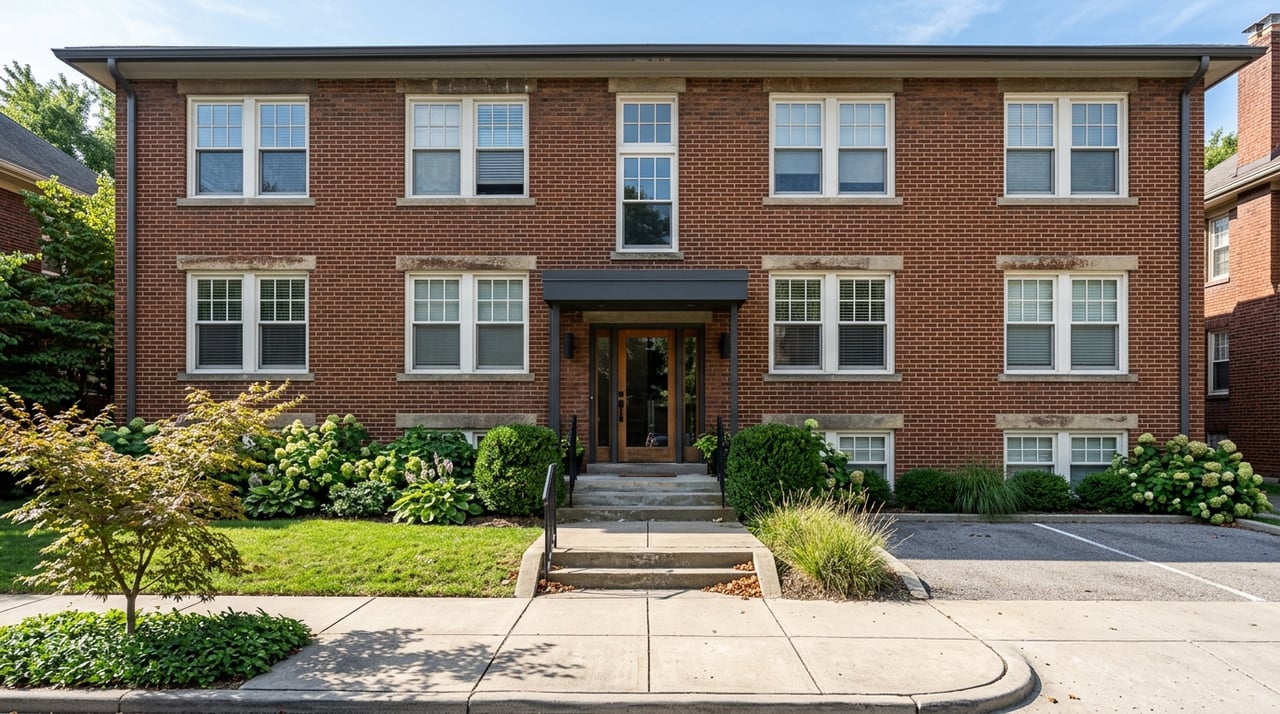
If you want to build a small rental portfolio in Pittsburgh’s East End, Squirrel Hill deserves a close look. It offers durable demand, strong everyday amenities, and a mix of property types, but it is not a one-size-fits-all market. If you understand the difference between Squirrel Hill North and Squirrel Hill South, model your costs carefully, and buy with a long view, you can make smarter decisions from the start. Let’s dive in.
Why Squirrel Hill attracts rental demand
Squirrel Hill benefits from a rare mix of location, amenities, and daily convenience. The neighborhood is closely tied to major universities, established commercial corridors, and some of Pittsburgh’s best-known public green space. That combination helps support interest from a wide range of renters.
For many renters, lifestyle matters as much as square footage. Squirrel Hill South centers on the Forbes and Murray business district and sits between Frick and Schenley parks, while Squirrel Hill North is tied more closely to Carnegie Mellon University and Chatham University. Across both areas, local shopping, dining, recreation, and walkability all strengthen the neighborhood’s appeal.
Parks are a major part of that story. Frick Park is about 644 acres, Schenley Park is about 456 acres, and Mellon Park adds another nearby public amenity. For a landlord, that matters because park access can widen your tenant pool beyond short-term renters and support interest from professionals and longer-stay households.
Understand the two Squirrel Hill submarkets
One of the biggest mistakes small investors can make is treating Squirrel Hill as a single rental market. In practice, Squirrel Hill North and Squirrel Hill South have different price points, rent levels, and market conditions. Your strategy should reflect that.
As of April 2026, Realtor.com showed 87 homes for sale and 162 homes for rent across Squirrel Hill overall. Within that larger picture, the North and South submarkets tell very different stories. That split is one of the most important things to understand before you buy.
Squirrel Hill North at a glance
Squirrel Hill North had a median listing price of $799,500 and a median rent of $1,800 in April 2026. Realtor.com described it as a buyer-oriented market. For investors, that can suggest more room for negotiation on the purchase side, but it also means you need to be disciplined about whether rent supports the acquisition price.
North may appeal more to buyers who want a premium location and are comfortable with a longer-term hold. The area’s university ties and established housing stock can support steady interest, but your entry cost is much higher. That usually makes careful underwriting essential.
Squirrel Hill South at a glance
Squirrel Hill South had a median listing price of $369,000 and a median rent of $1,467 in April 2026. Realtor.com described it as a hot market. For many small portfolio buyers, South may offer a more accessible entry point, even if competition can be stronger.
Rental inventory is also deeper in South. Realtor.com listed 123 homes for rent in Squirrel Hill South versus 46 in Squirrel Hill North. That larger rental base can be a useful signal that South has broader tenant demand and a more established rental pattern.
Historical neighborhood profile data points the same way. In the city’s 2010 neighborhood profiles, renter-occupied units made up 56.4% of Squirrel Hill South and 43.0% of Squirrel Hill North. The data is older, but it helps explain why South often feels more rental-oriented.
Where small portfolio buyers may find opportunity
If you are building a small portfolio, Squirrel Hill South may be easier to enter and scale. The lower median listing price can make your first acquisition more manageable, and the broader rental inventory suggests more flexibility in both property selection and tenant targeting. That does not mean every deal works, but it gives you more ways to participate.
Property type mix matters too. Current rental listings in Squirrel Hill South include apartments, houses, and condos for lease, which suggests you are not limited to one format. That flexibility can help if your goals differ, whether you want lower-maintenance units, a duplex-style setup, or a property with multiple leasing paths.
Rent ranges in South also show a wide spread by unit size. Apartments.com reported Squirrel Hill South apartment rents from $855 for a studio to $2,482 for a three-bedroom unit as of June 2026. For an investor, that range is a reminder to underwrite by actual unit type and condition rather than rely on one neighborhood-wide number.
Demand drivers to weigh before you buy
A rental portfolio works best when you understand not just the price you pay, but why tenants choose the area in the first place. In Squirrel Hill, a few demand drivers stand out. These should shape how you evaluate any property.
University proximity
Carnegie Mellon’s Pittsburgh campus sits between Schenley Park and the Squirrel Hill, Shadyside, and Oakland neighborhoods. The University of Pittsburgh’s campus is in Oakland. Squirrel Hill’s location near these major institutions helps support renter demand tied to academics, research, healthcare, and related professional moves.
That can be especially relevant if you are trying to attract relocating professionals, university hires, or households that want access to Oakland and the East End. A property that offers an easy commute or a straightforward transit option may have an edge. In a neighborhood like this, convenience often supports long-term occupancy.
Transit access
Transit remains an important factor, but it should be checked at the specific street level. Pittsburgh Regional Transit is adjusting service during the University Line and BRT build-out, so route details can change over time. Current schedules show Route 61A serving Downtown, Oakland, Squirrel Hill, Wilkinsburg, and North Braddock, while Route 61C serves Oakland, Squirrel Hill, Greenfield, and the Waterfront.
For a rental investor, this means transit should be part of your block-by-block review, not a broad assumption. A property with practical access to established routes may attract renters who want to reduce car dependence. That can matter even more in a neighborhood with busy commercial areas and limited parking in some spots.
Parking and topography
Squirrel Hill’s hills are not just part of its character. They are also a practical housing factor. The City describes the area as notoriously hilly and notes many City-owned public steps, which means a property’s approach, access, and parking setup can have a real effect on rentability.
The City’s residential parking permit program is designed to preserve resident parking near commercial zones. In plain terms, off-street parking or especially strong transit access can be meaningful advantages when you compare similar properties. For many renters, that convenience affects daily life more than small interior differences.
Cost modeling matters in Pittsburgh
A good-looking property is not always a good investment. In Squirrel Hill, acquisition and operating costs can narrow margins quickly if you do not account for them early. This is one reason a conservative, patient approach often makes more sense than chasing a fast flip.
Real estate taxes
Pittsburgh real estate taxes are based on Allegheny County assessed value, and the City’s millage rate is 9.67. The City also offers a 2% discount if taxes are paid by February 10, with installment due dates later in the year. When you run numbers, taxes should be treated as a meaningful ongoing expense.
Transfer tax
Acquisition costs are also higher than some buyers expect. Allegheny County says Pittsburgh applies an overall 5% transfer tax rate to residential deeds. If you are evaluating a smaller property or trying to buy multiple units over time, that closing cost can materially affect your returns and your pacing.
Rental permit and rehab compliance
Pittsburgh launched its Residential Housing Rental Permit Program on December 19, 2024. The City says compliance remains voluntary until further notice, and the 2025 fee schedule lists a $16 registration fee per rental unit plus inspection-related fees. That may sound modest on its own, but it is still part of your operating picture.
The City also says residential work requires permits. If you plan to improve a unit before leasing it, your rehab budget should include permitting time, inspection costs, and possible delays. In an older housing market, that step is especially important.
A practical buy-and-hold approach
The data suggests Squirrel Hill tends to reward patient buy-and-hold investors more than thin-margin deal chasing. Demand is supported by universities, parks, walkability, and established retail, but your costs on the front end can be significant. The spread between North and South also makes property selection more strategic than it might first appear.
If you are just starting a portfolio, a practical approach may look like this:
- Compare North and South separately rather than using one neighborhood average
- Underwrite taxes and transfer tax before you decide what is truly affordable
- Review transit access at the exact address level
- Give extra weight to off-street parking or easy parking conditions
- Confirm likely permit needs before you build a renovation budget
- Favor properties that can attract stable, long-stay tenants
For many buyers, that points toward selective acquisitions in Squirrel Hill South, especially if you want a more accessible price point and a broader rental base. Squirrel Hill North can still make sense, but usually for investors with a longer runway and clear confidence in the hold strategy.
If you are thinking about adding a rental property in Squirrel Hill, the right guidance can save you time and help you avoid expensive assumptions. For a thoughtful, data-informed approach to East End investing, connect with The Allison Pochapin Team.
FAQs
What makes Squirrel Hill a strong rental area in Pittsburgh?
- Squirrel Hill benefits from proximity to major universities, established shopping and dining corridors, and major public parks like Frick Park and Schenley Park, all of which help support steady renter interest.
What is the difference between Squirrel Hill North and Squirrel Hill South for investors?
- As of April 2026, Squirrel Hill North had a median listing price of $799,500 and median rent of $1,800, while Squirrel Hill South had a median listing price of $369,000 and median rent of $1,467, making them very different entry points.
Is Squirrel Hill South better for a first rental property?
- It may be more accessible for many buyers because it has a lower median listing price, deeper rental inventory, and a historically higher share of renter-occupied housing.
How important is parking for a rental property in Squirrel Hill?
- Parking can be very important because Squirrel Hill is notably hilly and some areas are affected by residential permit parking, so off-street parking or strong transit access can improve rentability.
What Pittsburgh costs should rental buyers plan for?
- Buyers should plan for real estate taxes based on Allegheny County assessed value, Pittsburgh’s 5% residential transfer tax, and potential rental registration, inspection, and permit-related costs.
Does Pittsburgh require rental registration for landlords?
- Pittsburgh launched its Residential Housing Rental Permit Program on December 19, 2024, and the City says compliance remains voluntary until further notice, with a listed $16 registration fee per rental unit plus inspection-related fees.